
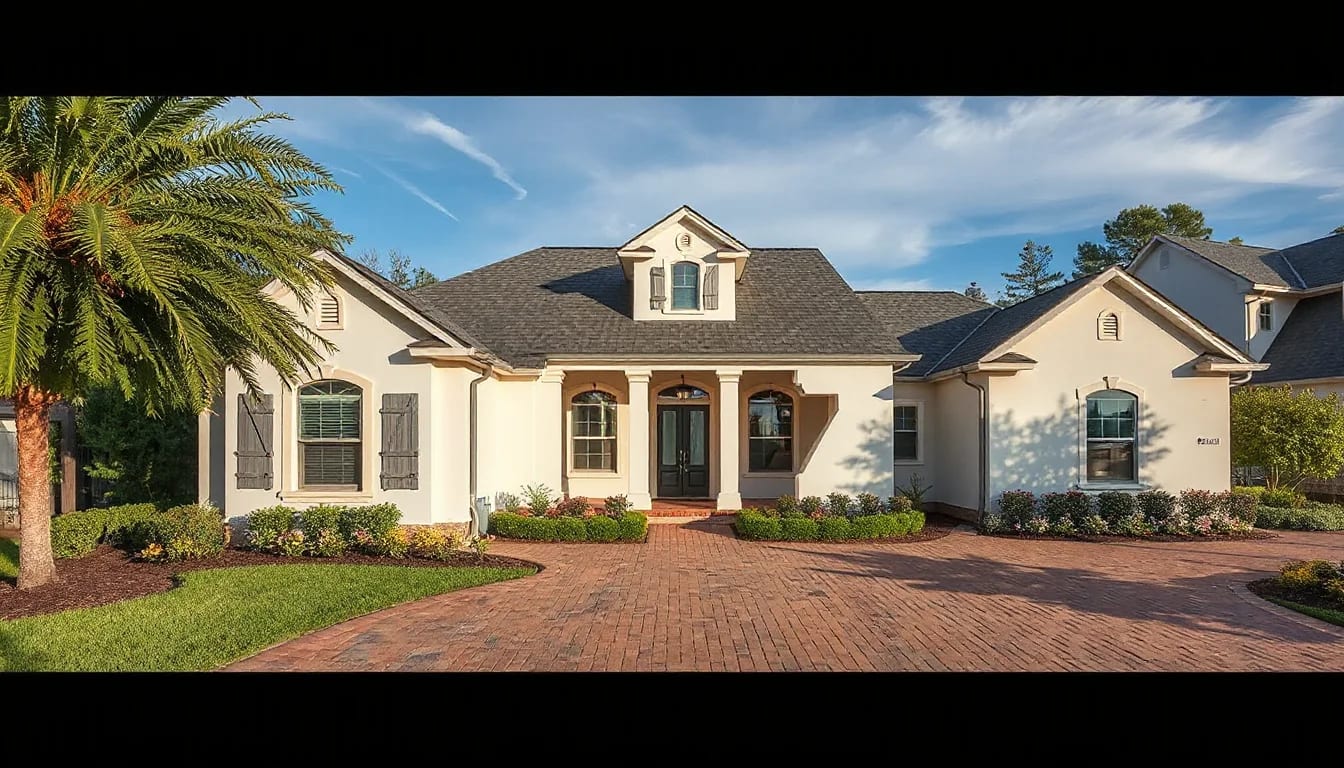
Buying with rental income in mind can change the way you evaluate price, layout, and long-term flexibility in Lutz. A property that supports future leasing options, guest space, or efficient carrying costs may offer more than just a place to live—it can widen your financial choices over time. Looking at income potential early helps home buyers compare homes with a sharper, more strategic lens.
Why rental potential matters before you make an offer
Some home purchases are judged almost entirely on finishes, curb appeal, or a favorite kitchen layout. Those details matter, but when you also weigh rental income potential, the decision process gets smarter. In Lutz, where buyers can find everything from established neighborhoods with larger lots to newer homes with flexible floor plans, the right purchase may be the one that works well for your needs now and still offers options later.
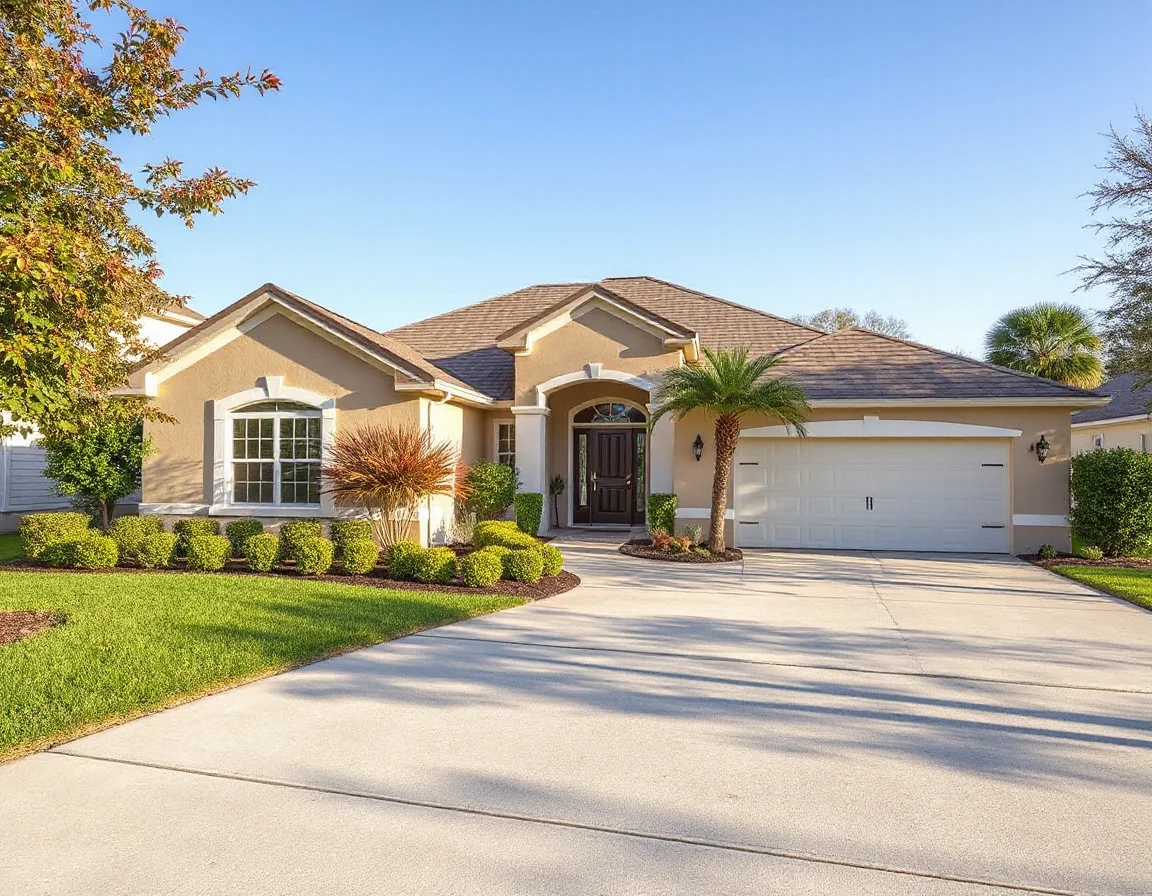
That does not mean every buyer should treat a home like a spreadsheet. It simply means asking practical questions early: Could this property be leased in the future? Would a separate bedroom wing, bonus room, or home office improve appeal to future occupants? Are taxes, insurance, HOA fees, and maintenance likely to leave enough room for positive cash flow if circumstances change? Even if you plan to live in the home for years, having these answers can reduce risk.
In a market like Lutz, flexibility can be a real advantage. A buyer might purchase a primary residence today and later decide to keep it as a rental after moving across town, relocating for work, or buying a larger property. Thinking ahead at the start helps you avoid overpaying for features that are hard to monetize while identifying features that hold broader market appeal.
A home does not need a separate entrance or full guest suite to have rental appeal. Often, a durable layout, manageable monthly costs, and convenient access to major corridors matter just as much.
What features can strengthen rental appeal in Lutz
When buyers think about income potential, they sometimes focus only on square footage. In reality, usability often carries equal weight. Homes with practical bedroom counts, an additional flex room, ample storage, updated mechanical systems, and easy-to-maintain finishes may be easier to position as rentals than homes with highly customized design choices. In Lutz, outdoor space can also add value, especially when it is functional rather than complicated to maintain.
Location details matter too, but the most useful way to assess them is through objective convenience. Access to major routes, employment centers in the wider Tampa area, grocery options, parks, and everyday services can support steady demand. Buyers should also pay attention to neighborhood restrictions, short-term rental rules where applicable, lease minimums, and association policies. These factors can directly affect whether a property fits your long-term plan.
Another important consideration is condition. A home with a newer roof, updated HVAC, and solid plumbing may not create the same excitement as dramatic cosmetic upgrades, but those systems can make a meaningful difference in ownership costs. If you ever convert the property into a rental, predictable maintenance can protect returns far better than trendy finishes alone.
How to run the numbers without losing sight of the home itself
Rental-income thinking works best when it stays grounded in realistic assumptions. Start with a clear picture of your monthly ownership costs: principal and interest, property taxes, insurance, HOA dues if any, utilities you may cover, lawn care, repairs, and vacancy reserves. Then compare those costs with a conservative estimate of what similar homes may rent for in the area. A cautious estimate is usually more useful than an optimistic one.
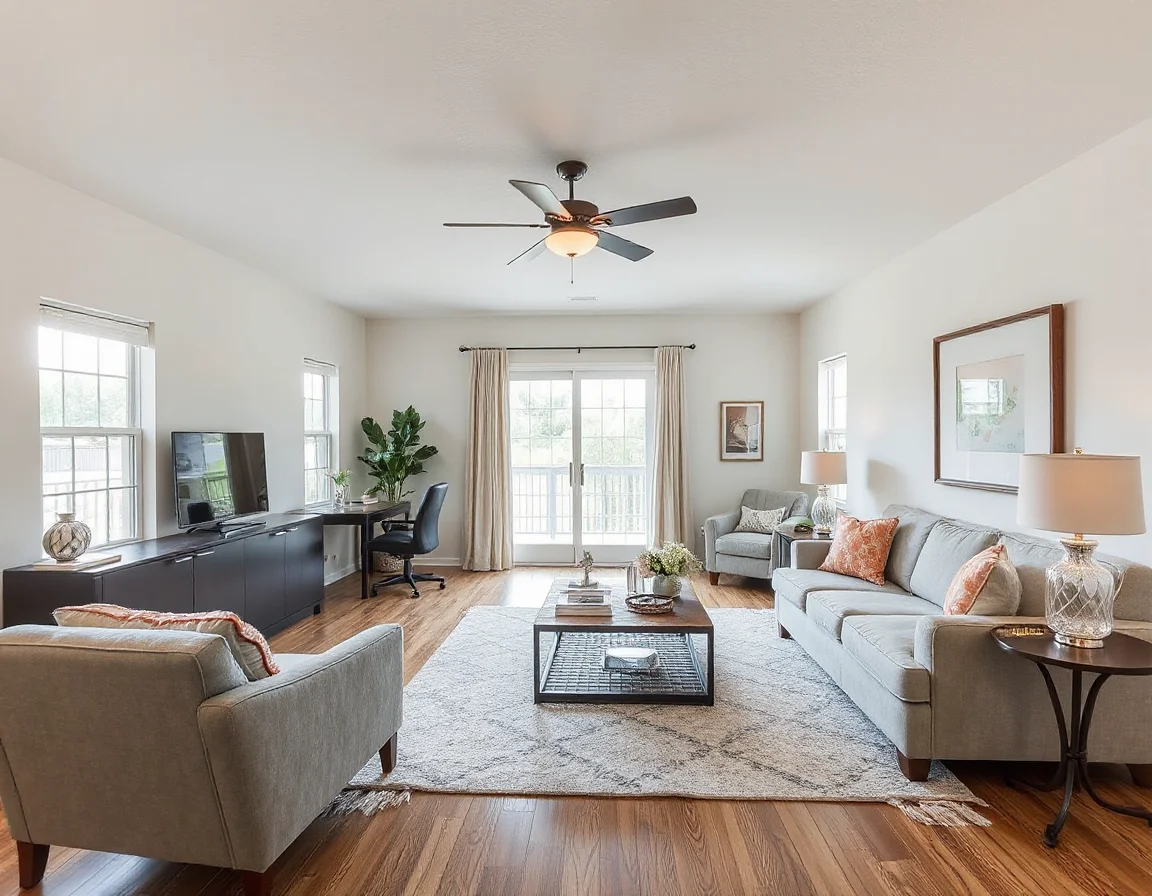
That comparison can reveal a lot. One property may look like the better deal on purchase price, yet carry higher insurance or deferred maintenance. Another may cost a little more upfront but offer a layout with stronger long-term leasing appeal and lower turnover risk. Buyers who do this exercise before writing an offer often feel more confident because they understand not only what they are buying, but how resilient that purchase may be over time.
It is also worth separating personal preference from market utility. A dramatic media room or an unusually specialized renovation might fit your lifestyle perfectly, and that is fine. But if rental potential is part of your strategy, ask whether the same feature adds broad appeal or narrows it. The homes that tend to age well as investments are often the ones that remain straightforward, functional, and easy for future occupants to enjoy.
If two homes are close in price, the one with lower likely maintenance and a more adaptable floor plan can outperform the one with flashier upgrades when viewed over a five- to ten-year horizon.
None of this requires turning a home purchase into a purely investor-driven decision. It simply adds another layer of due diligence. Buyers can still prioritize natural light, lot size, design, and comfort—while also choosing a property that leaves more doors open later.
Why this approach can be especially useful in changing markets
Market conditions shift. Interest rates move, inventory expands or tightens, and buyer priorities evolve. In that kind of environment, built-in flexibility matters. A purchase that can function well as a primary residence and potentially as a rental gives you more ways to respond if your plans change. That can be valuable whether you stay for three years or fifteen.
For example, if monthly payments feel higher than expected at today’s rates, future rental viability may help justify the purchase by creating a potential exit strategy besides selling. If inventory rises later, a home with solid rental characteristics may still hold appeal because it serves more than one type of ownership plan. This does not guarantee performance, of course, but it can improve your margin for decision-making.

Lutz is also appealing because buyers can compare different property styles and neighborhood settings within a broader North Tampa location context. Some homes may offer larger lots and privacy, while others may provide newer construction efficiency or lower maintenance demands. Looking at each option through both a lifestyle lens and a rental-income lens can help narrow the field quickly.
Buyers should also remember that local leasing demand is influenced by job access, commuting patterns, school district interest from the market at large, nearby services, and overall housing supply. Those are practical, measurable factors that support smarter decision-making far better than guesswork. When you review a home, it helps to ask not just “Would I enjoy living here?” but also “Would this property remain competitive if I needed another strategy later?”
A smarter purchase is usually the one with more future options
The strongest home purchase is not always the cheapest house or the one with the most dramatic upgrades. Often, it is the property that balances today’s lifestyle with tomorrow’s flexibility. In Lutz, that can mean choosing a well-located home with a useful layout, manageable carrying costs, and features that support broad future demand.
If rental income potential is part of your thinking, bring it into the conversation early—before touring too many homes, before stretching your budget, and definitely before assuming every attractive property is equally strategic. A little analysis upfront can lead to a purchase that feels better not only on move-in day, but years later when your next decision arrives.