

A home inspection can reveal repair needs, maintenance priorities, and negotiation points before you close on a property in Trinity. Knowing what inspectors commonly flag in this part of Florida can help you read the report with more confidence, budget for future upkeep, and decide what questions to ask before moving forward.
Why inspections matter before closing
Buying a home is exciting, but the inspection phase is where excitement meets practical decision-making. In Trinity, where buyers may be comparing newer subdivisions, established communities, villas, and larger single-family properties, an inspection gives a neutral snapshot of the home’s current condition on the day of the visit. It does not guarantee future performance, but it can highlight issues involving the roof, HVAC system, plumbing, electrical components, windows, doors, insulation, drainage, and visible structural concerns.
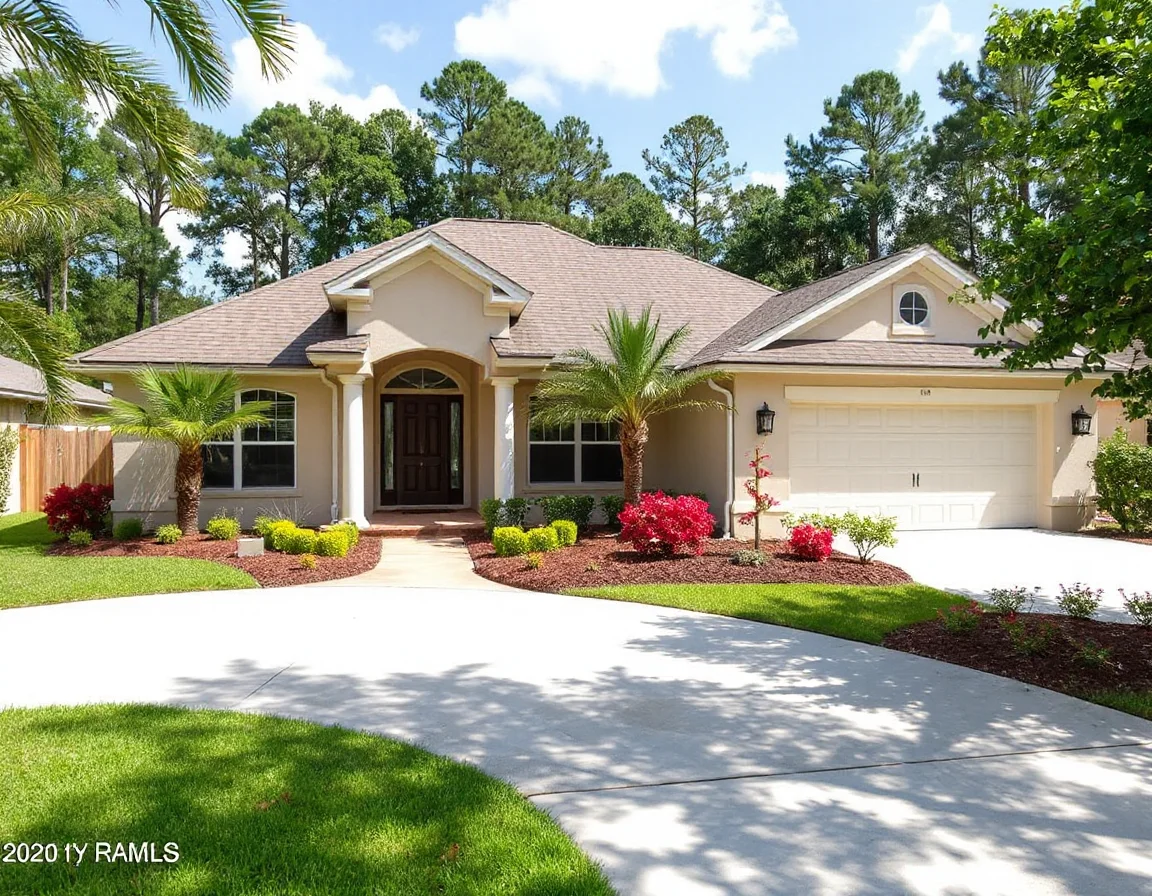
For many buyers, the biggest value of the inspection is not finding a “perfect” house. It is understanding what you are buying, what may need attention soon, and which items are routine maintenance versus more significant repair costs. Even a well-kept property will usually produce a report with notes and recommendations. That is normal. Nearly every home has wear, deferred maintenance, or systems approaching the end of their expected service life.
In a market where timing can feel tight, inspections also help buyers stay grounded. Instead of reacting only to finishes, layout, or curb appeal, you get a more detailed look at how the property is functioning behind the scenes. That can make your next step—moving forward, renegotiating, requesting repairs, or walking away—far more informed.
A long inspection report does not automatically mean a bad house. Often, the key is separating routine maintenance items from safety concerns, water intrusion, and major system replacements.
Common items inspectors often review in Trinity homes
Because Trinity is in Florida, buyers should pay close attention to systems affected by heat, humidity, storms, and heavy seasonal rain. Roof condition is often one of the biggest topics in an inspection report. Inspectors may note missing or damaged shingles, aging underlayment, flashing issues, or signs of past repairs. Even when a roof is not currently leaking, its remaining lifespan can still matter for budgeting, insurance conversations, and long-term planning.
HVAC performance is another major category. Air conditioning is not just a comfort feature in this region; it is a core operating system of the home. Inspectors may comment on the age of the unit, cooling response, duct conditions, drainage lines, and visible maintenance issues. Plumbing concerns can also surface, including older supply lines, slow drains, water heater age, corrosion, or signs of previous leaks under sinks and around fixtures.
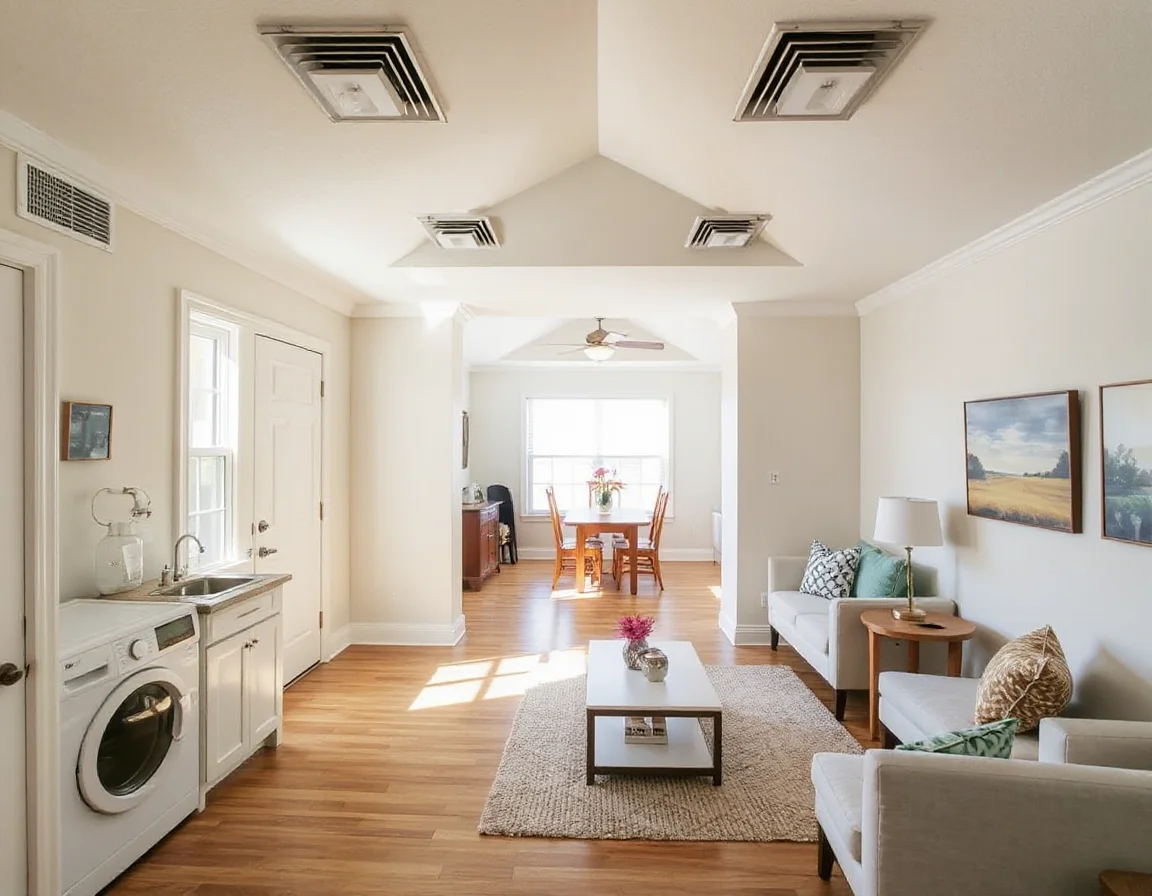
Outside the home, drainage and grading deserve a close look. During Florida rain events, water movement around the house can affect foundations, landscaping, patios, and wall assemblies over time. An inspector may point out areas where water appears to collect near the structure, where gutters discharge too close to the home, or where hardscape slopes toward the building instead of away from it.
Windows, doors, exterior sealants, and visible stucco or siding conditions are also worth watching. Small cracks, worn caulking, or moisture exposure may seem minor at first glance, but they can become more important when combined with age, weather exposure, or evidence of earlier patching. The inspection report helps put those details in context.
If the home has a pool, older roof, or aging mechanical systems, ask for service records early. A few documents can clarify whether a flagged item is actively failing or simply nearing its normal replacement window.
How to read the inspection report without overreacting
Inspection reports can be lengthy, and the format sometimes makes small issues look more dramatic than they are. Photos with arrows, bold text, and repeated recommendations can create stress for buyers seeing the document for the first time. A better approach is to organize findings into a few categories: major defects, active water or moisture concerns, safety-related items, systems nearing end of life, and routine maintenance.
For example, a loose handrail, missing GFCI protection in certain areas, or worn weatherstripping may be easy fixes. On the other hand, evidence of roof leaks, significant electrical defects, repeated moisture staining, or an air conditioning system no longer cooling effectively may deserve deeper review. Buyers should also remember that inspectors are generalists. If a report identifies something outside the inspector’s scope, the next step may be evaluation by a licensed roofing contractor, electrician, plumber, HVAC technician, or structural professional.
It also helps to think in terms of ownership cost instead of perfection. A house may still be a strong purchase even if the report suggests upcoming replacement of a water heater, minor exterior repairs, or servicing for the HVAC system. The question is whether the home’s condition aligns with the purchase price, your repair budget, and your comfort level with future maintenance.
What buyers can negotiate after the inspection
Once the report is in, buyers usually have several paths. Depending on the contract terms, you may request repairs, ask for a credit, negotiate a price adjustment, or accept the property as-is and plan the work after closing. The best option often depends on the nature of the issue. Some buyers prefer credits so they can choose their own contractor after closing. Others want critical repairs completed before settlement, especially when the issue affects financing, insurance, or immediate livability.

In Trinity, it is especially useful to focus negotiations on items that materially affect the property’s condition or short-term cost of ownership. A seller may be more receptive to objective requests backed by the report than to a long list of cosmetic touch-ups. Clear estimates from qualified contractors can also help keep discussions practical rather than emotional.
Buyers should be prepared for some give-and-take. Not every inspection note leads to a concession, and sellers may decline to address items they consider minor or already reflected in the asking price. That is why inspection planning starts before the report arrives: know your budget ceiling, know which issues are deal-breakers for you, and know which items you are willing to handle over time.
A smart inspection mindset for Trinity buyers
The most successful buyers treat the inspection as a tool, not a test the house has to “pass.” A useful inspection should help you understand the property more clearly, ask sharper follow-up questions, and make a decision based on facts rather than guesswork. In Trinity, that often means paying special attention to roofs, cooling systems, moisture management, and the age of major components, while keeping normal wear in perspective.
If you are comparing several homes, the inspection can also help you judge value beyond finishes and location. Two properties with similar square footage and appearance may carry very different near-term maintenance costs. A strong purchase is not always the house with the shortest report; it is the one whose condition, price, and future upkeep make sense together.
Before you buy, give yourself enough time to review the report carefully, ask for clarification on anything unclear, and decide what repairs or concessions matter most to you. That extra diligence can make the path to closing much smoother—and help you start ownership with fewer surprises.