
Flood zone information can affect insurance costs, financing, inspection priorities, and even how confidently a buyer or seller negotiates in Land O Lakes. The good news is that a flood designation is not automatically a deal-breaker, and a property outside a high-risk zone is not automatically risk-free. Knowing how maps, elevation, disclosures, drainage, and policy quotes fit together can help you make cleaner decisions before you write an offer or list a home.
Why flood zones matter in Land O Lakes real estate
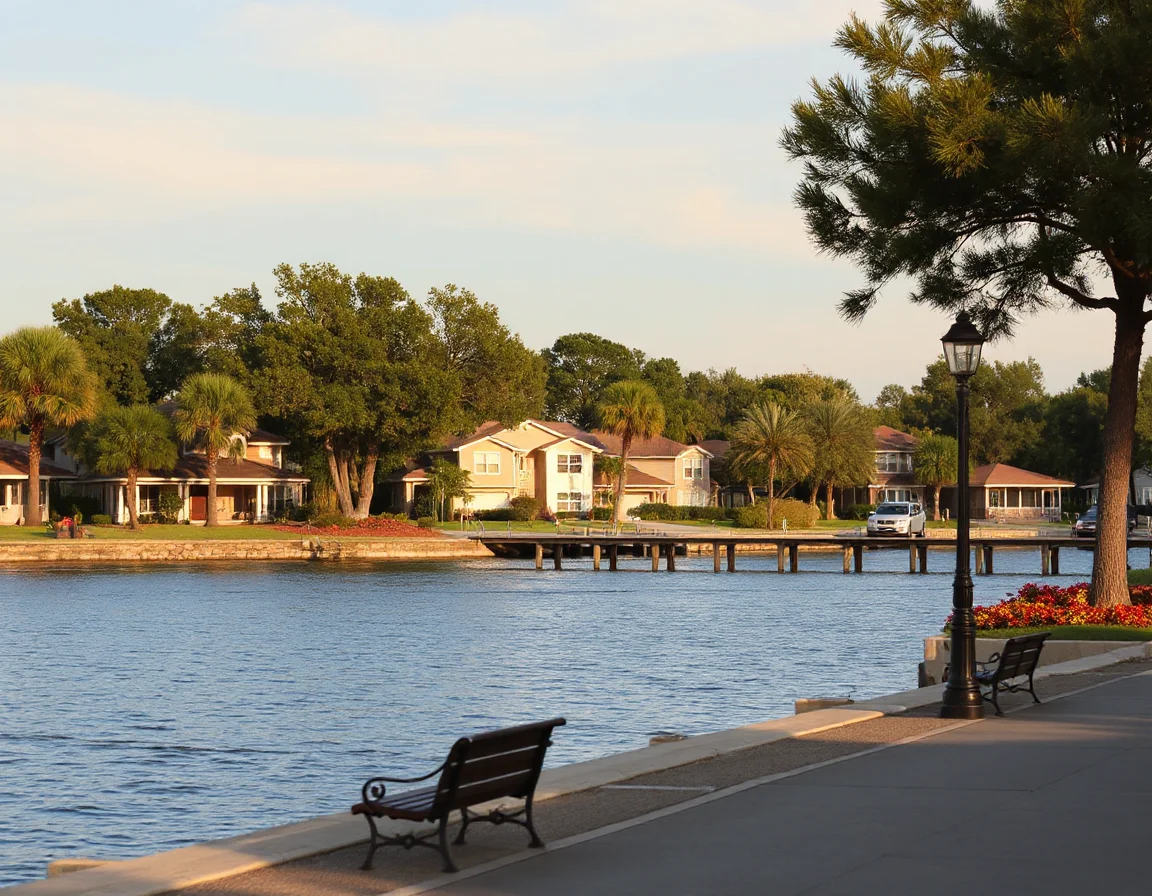
With its network of lakes, ponds, wetlands, and stormwater systems, Land O Lakes has plenty of water features that add to the area’s appeal while also making flood-zone questions part of the buying and selling process. Some homes sit in or near FEMA-designated special flood hazard areas, while others are outside those mapped zones but may still have localized drainage concerns after heavy rain. That distinction matters because buyers often assume flood risk is a simple yes-or-no issue when it is usually more layered than that.
For buyers, the flood-zone conversation can shape monthly housing costs just as much as principal, interest, taxes, and HOA fees. If a lender requires flood insurance, the premium becomes part of the affordability picture. Even when insurance is optional, many buyers still choose to price a policy for peace of mind and budgeting purposes. For sellers, being prepared with documents, prior insurance information, and any elevation-related records can make a listing feel more straightforward and reduce last-minute surprises.
It also helps to remember that flood maps are administrative tools, not guarantees. A home in a mapped higher-risk zone may have mitigation features that improve the insurance picture, while a home outside that zone can still experience water intrusion from grading, blocked drainage, or unusually intense storms. The smartest approach is to treat the map as one data point and then build a fuller property-specific review around it.
A flood-zone label affects more than insurance. It can influence lender requirements, inspection questions, buyer confidence, and the pace of negotiations once a contract is underway.
What buyers should review before making an offer
When a property in Land O Lakes catches your attention, ask early whether the home is currently in a FEMA flood zone and whether the current owner carries flood insurance. That first step can save time. From there, buyers should look at the property’s flood map panel, request a current insurance quote if applicable, and ask whether the seller has documentation for any elevation certificate, Letter of Map Amendment, or drainage improvements completed during ownership.
Inspection planning matters too. A general home inspection may note grading, water staining, exterior drainage patterns, and visible concerns, but buyers may also want to pay close attention to site drainage, retention areas, pond proximity, low-lying yard sections, and how water moves around the structure. In some cases, it is useful to ask additional questions about past storm impacts, prior claims, or repairs tied to water entry. This is not about assuming a problem exists; it is about understanding the property as completely as possible.
Insurance shopping should happen before contingencies expire, not after. Premiums can vary depending on the structure, elevation, policy details, and whether the home qualifies for more favorable pricing factors. A buyer who budgets only from the mortgage preapproval may miss an important monthly cost if flood coverage becomes necessary. Running those numbers early keeps expectations realistic and helps avoid rushed decisions.
Finally, buyers should separate waterfront appeal from flood assumptions. A scenic setting near water may or may not place the home in a required flood-insurance zone, and an inland property may still deserve close drainage review. Good due diligence means reading disclosures, verifying insurability, and understanding what ownership costs look like in the real world rather than relying on guesswork.
What sellers can do before listing
Sellers benefit from getting organized before the sign goes up. If the home is in a flood zone, gather the current declaration page for flood insurance, any elevation certificate on file, receipts for drainage or grading work, and records of major repairs. If the home has never experienced interior flooding during your ownership, that factual history can be useful context when paired with the required disclosures and supporting documents. If there has been a prior issue, clear documentation of what was repaired and how the issue was addressed is often far better than leaving buyers to fill in the blanks.
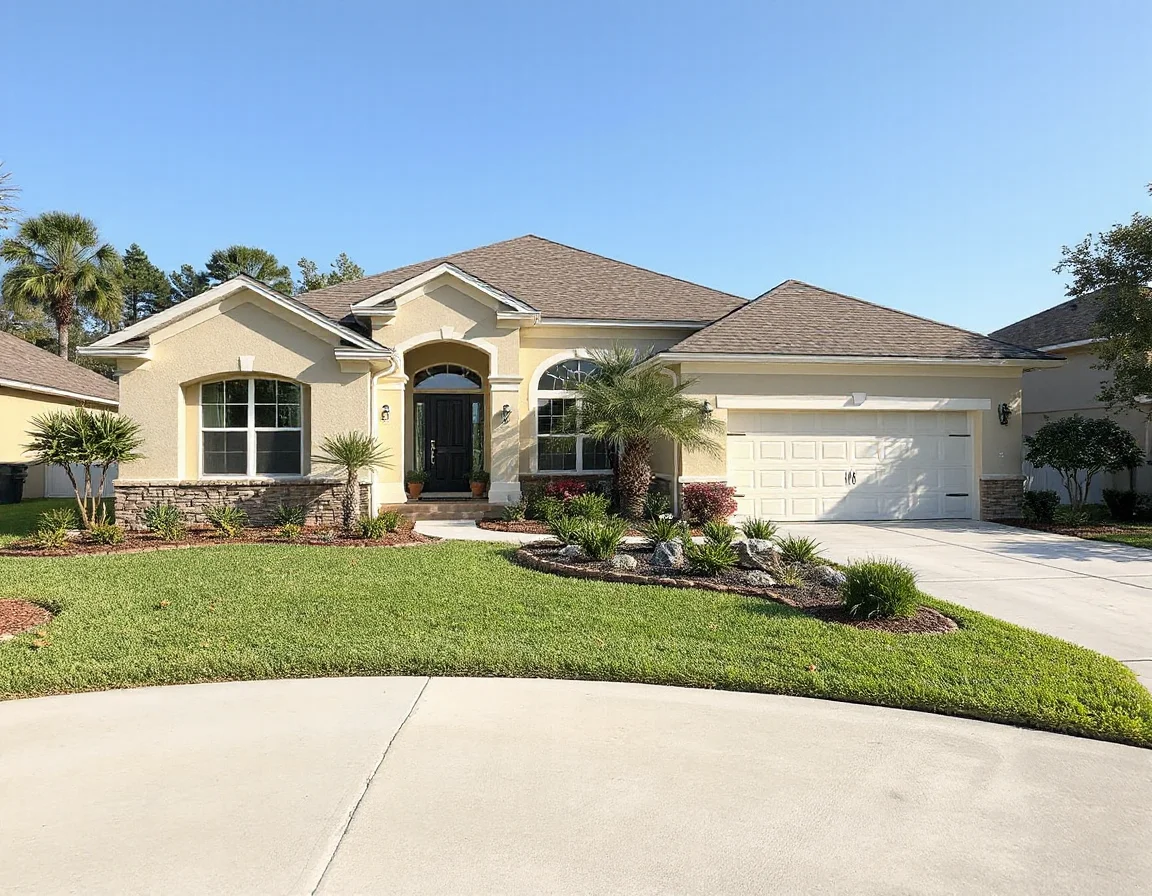
Presentation matters here as much as paperwork. Clean gutters, functioning downspouts, trimmed landscaping, and visible drainage paths can support a more confident first impression during showings and inspections. If water typically ponds in one corner of the yard after a heavy rain, be ready to explain what happens, how long it lasts, and whether any corrective work has already been completed. Buyers tend to respond better to specific answers than vague reassurances.
Pricing strategy may also need a practical lens. A flood-zone designation does not automatically reduce value in the same way for every property, because the market weighs condition, location, lot characteristics, updates, and insurability together. Still, sellers who understand how buyers compare monthly costs across listings are better positioned to price competitively and explain the home’s strengths clearly.
If you already have an elevation certificate or a recent flood insurance quote, sharing it early can remove friction and keep buyers focused on the property instead of worst-case assumptions.
Common misconceptions that can derail a transaction
One of the biggest misunderstandings is the idea that being outside a high-risk FEMA zone means flood insurance is unnecessary. In reality, many flood claims nationally occur outside the most heavily regulated zones, and optional coverage may still be worth reviewing depending on the home’s setting and the buyer’s comfort level. Another misconception is that every property in a flood zone carries the same insurance cost. Premiums can differ substantially based on the structure and available documentation.
Another frequent issue is timing. Buyers sometimes wait until late in escrow to investigate insurance, only to discover a premium that changes the monthly payment picture. Sellers sometimes assume the buyer will “figure it out,” which can create avoidable delays if documents are hard to locate. The smoother transactions are usually the ones where the flood conversation starts early, stays factual, and includes professionals such as insurance agents, lenders, inspectors, and real estate advisors when needed.
There is also a tendency to confuse flood zones with general property condition. A well-maintained home in a designated zone may present less day-to-day concern than a poorly drained home outside that zone. Maps, maintenance, lot elevation, prior repairs, and insurance terms all interact. Looking at only one of those pieces can produce the wrong conclusion.
A practical path forward for buyers and sellers
In Land O Lakes, flood-zone questions are simply part of informed real estate decision-making. For buyers, that means confirming the designation, pricing insurance early, reviewing disclosures carefully, and understanding site drainage before finalizing an offer. For sellers, it means preparing records, answering questions directly, and presenting both the property and its documentation in a way that supports confidence.
The goal is not to avoid the topic or to overreact to it. The goal is clarity. When everyone works from accurate information, the conversation becomes less about uncertainty and more about costs, condition, and fit. That is exactly where a productive real estate transaction should be.
If you are exploring a move in the area, taking a little extra time to understand flood zones upfront can help you compare homes more accurately, market a property more effectively, and move through negotiations with fewer surprises.