

Dunedin home prices are easier to interpret when you look beyond a headline median price. Comparing similar properties, tracking time on market, and understanding seller competition can help you decide whether to move quickly, prepare patiently, or simply keep watching. The most useful market read is the one connected to your budget, property goals, and timing.
Look Past the Headline Price
A single number rarely tells the whole story of the Dunedin housing market. Median sale price, average sale price, and list-to-sale price ratio can all be useful, but each measures something slightly different. A market may show higher prices because more waterfront properties or larger homes sold during a particular month, even if the value of a typical home changed very little. The opposite can happen when a greater share of condos, townhomes, or smaller residences close.

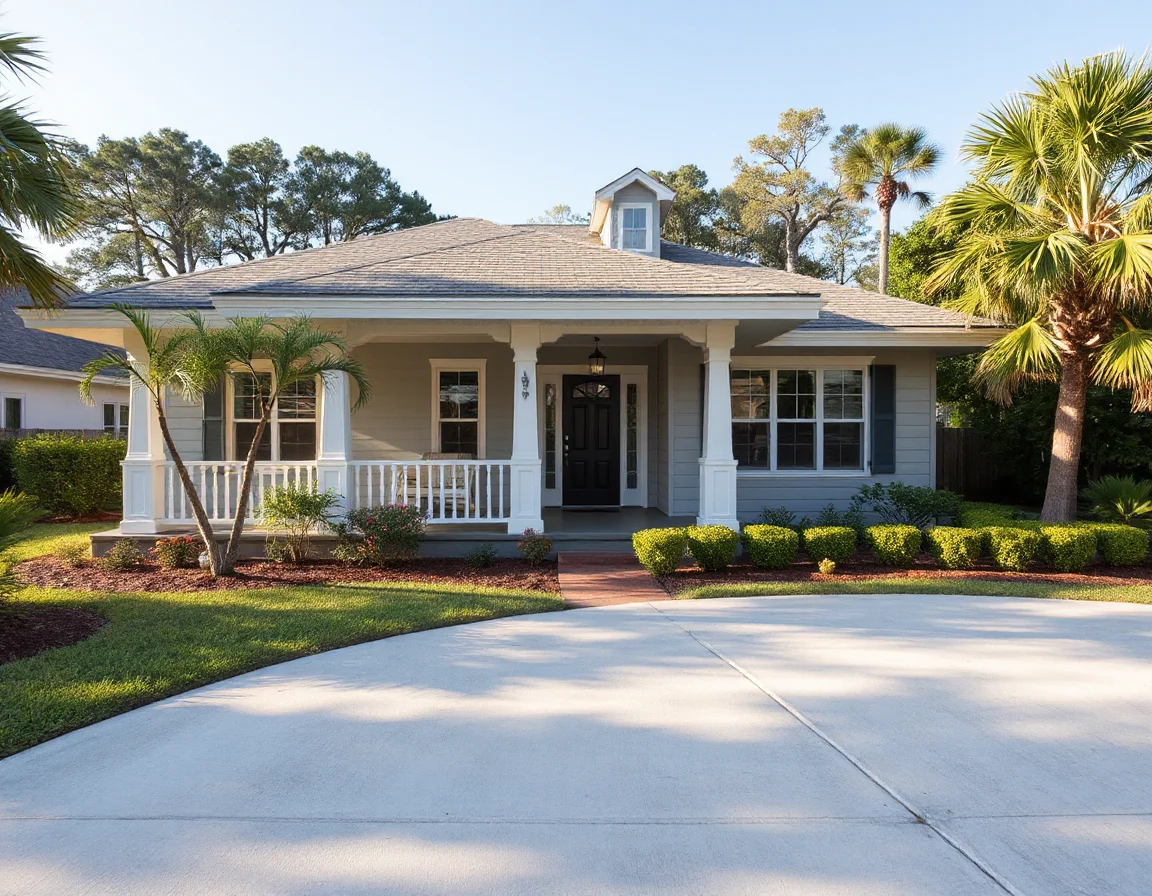
Start by narrowing the comparison. A renovated bungalow near the water, a condominium with association fees, and a newer home farther inland may all be located in Dunedin, yet they can respond to demand in very different ways. Looking at recent sales with similar location, size, age, condition, lot characteristics, and amenities provides a more grounded reference point than comparing every sale in the city at once.
For buyers, list price is an invitation to investigate rather than a final statement of value. Review when the home came on the market, whether the price has changed, what nearby homes have recently closed, and how the property’s condition compares. For sellers, those same details help set a price that attracts attention without relying on a figure that cannot be supported by the most relevant comparable sales.
Seasonality also matters. Listing activity and buyer attention can shift around holidays, school calendars, weather patterns, and broader economic news. Rather than trying to identify one universally “best” month, watch how many comparable homes are entering the market and whether pending sales are keeping pace. That relationship often reveals more than a monthly price headline.
The most meaningful comparison is usually a small group of recent, similar nearby sales—not the highest sale price in a broad ZIP code.
The Signals That Show Market Pace
Price is only one part of the decision. Market pace helps explain whether buyers are encountering a competitive environment or a market with more room for careful comparison. Key indicators include active inventory, new listings, pending sales, average days on market, and the gap between original list price and final sale price.
When inventory is limited relative to demand, well-prepared listings may receive attention soon after appearing online. That does not mean every property will sell quickly or above its asking price. Homes still tend to be evaluated on condition, pricing, location, financing considerations, and how clearly their features are presented. A property that needs substantial updates may have a different timeline than a recently renovated home in the same general area.
Days on market should be read with context. A low number can suggest that appropriately priced homes are moving efficiently, while a higher number can give buyers more time to inspect options and negotiate terms. However, an older listing is not automatically a bargain, and a new listing is not automatically worth an aggressive offer. The reasons behind the timeline matter: price reductions, inspection needs, association rules, insurance questions, or simply a narrow pool of buyers for a distinctive property can all affect activity.
Another helpful measure is the sale-to-list price ratio. If comparable homes are regularly closing close to their final asking prices, pricing may be aligned with current demand. If many homes are closing below list price, that can indicate that sellers are adjusting expectations, although the condition and original pricing of those listings still deserve a close look. A well-priced home and an over-priced home can produce very different results in the same month.
Dunedin’s mix of established residential streets, coastal access, condominium communities, and nearby community amenities means market behavior can vary block by block. The Pinellas Trail, waterfront parks, marina activity, local events, and access to regional employment centers contribute to the area’s appeal, but a purchase decision should also include practical review of flood zones, insurance options, property taxes, homeowner or condominium association documents, and maintenance needs.
A fast-moving listing deserves prompt attention, but a complete review of inspections, financing, insurance, and property records remains part of a sound decision.
How Buyers Can Decide When to Act
Waiting for a “perfect” market signal can be difficult because real estate conditions rarely change all at once. Interest rates, available inventory, personal finances, and individual property needs all move on different schedules. A stronger approach is to define what would make a home purchase workable now: a comfortable monthly payment, a clear down-payment plan, preferred property features, and enough flexibility for inspections and closing costs.
Once those guardrails are in place, review homes as they become available and compare them against recently sold properties. If a home meets your priorities and the terms fit your financial plan, acting with a well-supported offer may be more practical than trying to predict where prices or rates will be months from now. If current choices do not meet your criteria, continued monitoring is still valuable because it builds a sharper understanding of value.
It can also help to separate nonnegotiables from preferences. Structural condition, location, carrying costs, accessibility needs, lot size, association requirements, and commute patterns may deserve more weight than cosmetic details that can be updated later. This makes it easier to recognize a strong opportunity when it appears without treating every new listing as an urgent decision.
How Sellers Can Prepare for Today’s Buyers
For homeowners considering a sale, timing is less about finding a magic date and more about presenting the property with confidence. Begin with a realistic review of recent comparable sales, active competition, and the features that make your home distinct. A careful pricing strategy can generate early interest, while a price that sits far above comparable options may reduce activity and lead to later adjustments.
Preparation has a direct effect on how buyers understand value. Addressing visible maintenance items, organizing records for improvements, refreshing landscaping, decluttering rooms, and making the home easy to show can help a listing communicate its condition. Professional photography and accurate property details are equally important, especially when buyers are comparing several homes online before scheduling a visit.
Before listing, gather key documents that may affect a buyer’s decision: permits where applicable, utility information, association documents, warranty records, roof and system ages, and insurance details. In Florida, clarity around wind mitigation, flood considerations, and insurability can help make conversations more productive. The goal is not to promise a particular outcome; it is to reduce avoidable uncertainty and support a well-informed offer process.
Make the Market Personal, Not Perfect
Dunedin home prices are best understood as a collection of local stories rather than one sweeping trend line. The right next step depends on the kind of property you are considering, the competition around it, and your own financial timeline. By pairing current market data with property-specific research, buyers and sellers can replace broad headlines with useful evidence.
Whether you are beginning a search, reviewing a potential offer, or considering a sale, focus on the details that remain meaningful after the market chatter fades: comparable sales, monthly costs, property condition, location characteristics, and clear personal goals. That framework makes it easier to act when an opportunity aligns with your plans—and to wait with purpose when it does not.