

A strong Town N Country listing launch begins long before the first showing: it starts with a price grounded in current competition, buyer activity, and the specific condition of your home. The goal is not simply to choose a number that sounds good—it is to create enough early attention to give your property its best chance at a confident, well-supported offer.
Pricing Is Your First Marketing Decision
When it is time to sell, price is more than a line on a listing sheet. It shapes who sees your home in online searches, how buyers compare it with nearby options, and whether the first weeks on market feel energetic or quiet. In Town N Country, homes can vary significantly by location, lot size, renovation level, waterfront proximity, and access to major Tampa-area routes. That makes a careful pricing strategy more useful than a simple average of recent sales.
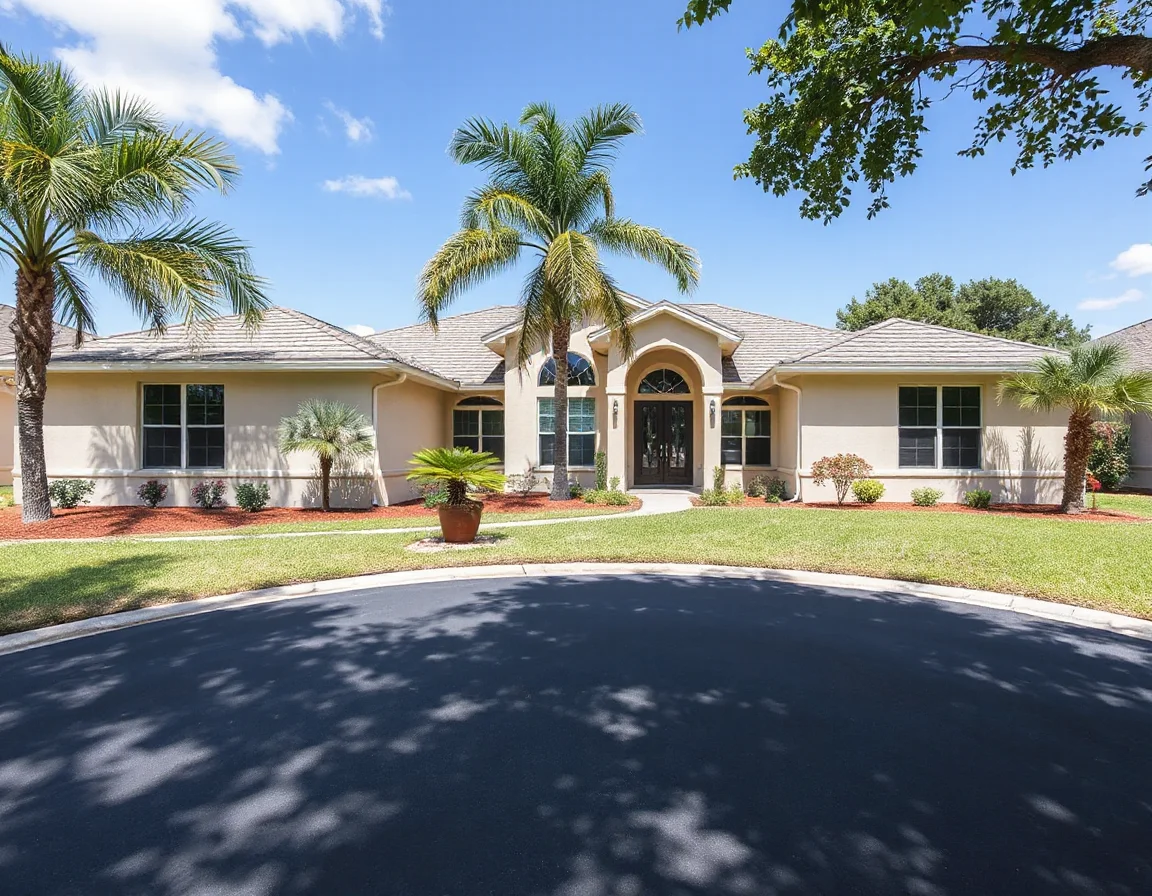
A well-priced home invites comparison in the right way. Buyers searching within a defined budget often see several properties at once, then narrow the list based on photos, condition, layout, location, and perceived value. If a listing enters the market noticeably above comparable options without a clear reason, it can be passed over before a buyer ever schedules a tour. Conversely, a price that reflects the property’s actual market position can help its best features stand out.
The most useful starting point is a detailed comparative market analysis. This is not just a list of nearby sales. It should examine recently closed properties, current competing listings, pending transactions when available, square footage, age, updates, lot characteristics, and any features that materially affect value. A renovated kitchen, newer roof, screened outdoor area, garage configuration, water view, or flexible living space may influence buyer perception, but each feature should be weighed against what shoppers can currently purchase nearby.
The first days after a listing goes live are often its highest-visibility window. A price aligned with current alternatives helps make that attention count.
Closed sales establish context, but active listings reveal the choices buyers have today. If several comparable homes are available, sellers need to understand how their property will look side by side on a search results page. A listing should not be priced in isolation; it should be positioned deliberately. The best approach balances the seller’s financial goals with the evidence buyers and appraisers are likely to consider.
Read the Competition, Not Just the Headlines
Broad market headlines can be interesting, but they rarely price a particular home accurately. Median sale prices, countywide inventory, and mortgage-rate news are useful background information. Still, a three-bedroom home with original finishes may attract a different response than a similarly sized home with extensive updates, even when both are in the same general area. Pricing decisions become stronger when they are based on the homes buyers will actually compare during their search.

Start by separating comparable properties into three groups: homes that have sold, homes currently for sale, and homes that were withdrawn or sat on the market for an extended period. Sold homes can show where buyers recently agreed on value. Active homes show the immediate competition. Withdrawn and expired listings can offer a useful caution: sometimes the issue was condition or marketing, but an ambitious price can also limit early interest and make later adjustments more difficult.
Condition deserves an honest review. Sellers do not need to complete every possible project before listing, but they should distinguish between updates that improve presentation and improvements that may not return their full cost. Fresh paint, decluttering, professional cleaning, simple landscape maintenance, and attention to obvious repairs can help a home show more clearly. Larger projects should be evaluated in the context of local comparable properties, timeline, budget, and the likely effect on buyer demand.
Appraisal is another reason to keep the pricing conversation evidence-based. Even if a buyer is enthusiastic, a financed transaction may include an appraisal process that compares the property with relevant sales data. Strong preparation includes having a clear record of meaningful improvements, permits when applicable, and factual details that help support the home’s value. This does not guarantee an appraisal result, but it gives the transaction a better foundation.
A pricing plan works best when the asking price, the property’s condition, and the marketing presentation all tell the same value story.
Build a Launch Plan Around the Price
Once the price range is established, presentation becomes the next essential piece. Professional photography, accurate room measurements, a clear property description, and a showing plan should all reinforce the home’s strongest features. Buyers often form an initial impression online, so images should be bright, current, and focused on the spaces and details that make the property distinctive. A well-prepared listing also makes it easier for buyers to understand the layout before they arrive.
Timing matters, but it should not overpower the fundamentals. Waiting for a “perfect” week can be less productive than entering the market with a clean, accessible home and a thoughtful pricing strategy. Sellers can prepare by keeping showing instructions practical, securing personal items, addressing maintenance issues, and making the entrance feel welcoming. The objective is to reduce friction for interested buyers while allowing the home itself to make a clear impression.
After launch, review feedback and activity with a level head. Online views, saved searches, showing requests, agent comments, and comparable homes that go pending can provide useful signals. One comment is not a market verdict, but a consistent pattern may be worth discussing. If interest is limited, the response should be strategic: evaluate photography, showing access, condition, competing inventory, and price together rather than making a rushed decision based on a single weekend.
Set a Confident Course for Your Sale
A strong listing price is neither a guess nor a promise of a specific outcome. It is a market-informed decision designed to place your Town N Country home in a compelling position from day one. By reviewing relevant comparisons, preparing the property thoughtfully, and staying responsive to real-time activity, sellers can move forward with a clearer plan and fewer surprises.
Every property has its own story, from its updates and layout to its location and outdoor spaces. The PINNACLE TEAM can help translate those details into a focused pricing discussion that reflects current competition and your goals. A measured start gives your home the opportunity to earn the attention it deserves while keeping the sale process grounded in useful, current information.