
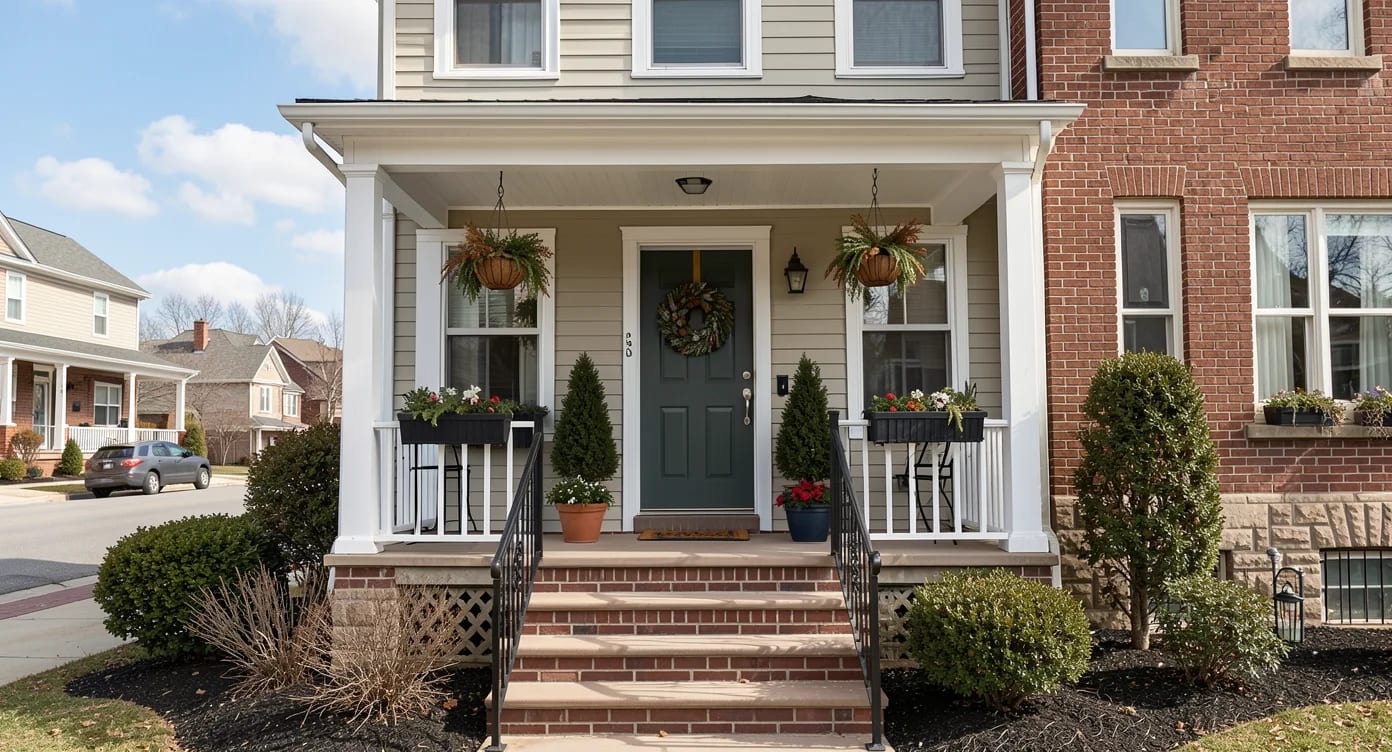
A thoughtful Apollo Beach home search starts with more than a price range. Compare financing and insurance costs early, check flood information for each address, and leave room in your timeline for inspections. This checklist can help you move from an appealing listing to a more informed offer.
Start With the Full Cost of Ownership
Apollo Beach offers a mix of residential settings near Tampa Bay, including homes with water access and properties farther inland. Before you tour, think about which features matter most: a manageable commute, outdoor space, access to recreation, or a particular layout. Then build a budget that accounts for the home as well as the place.
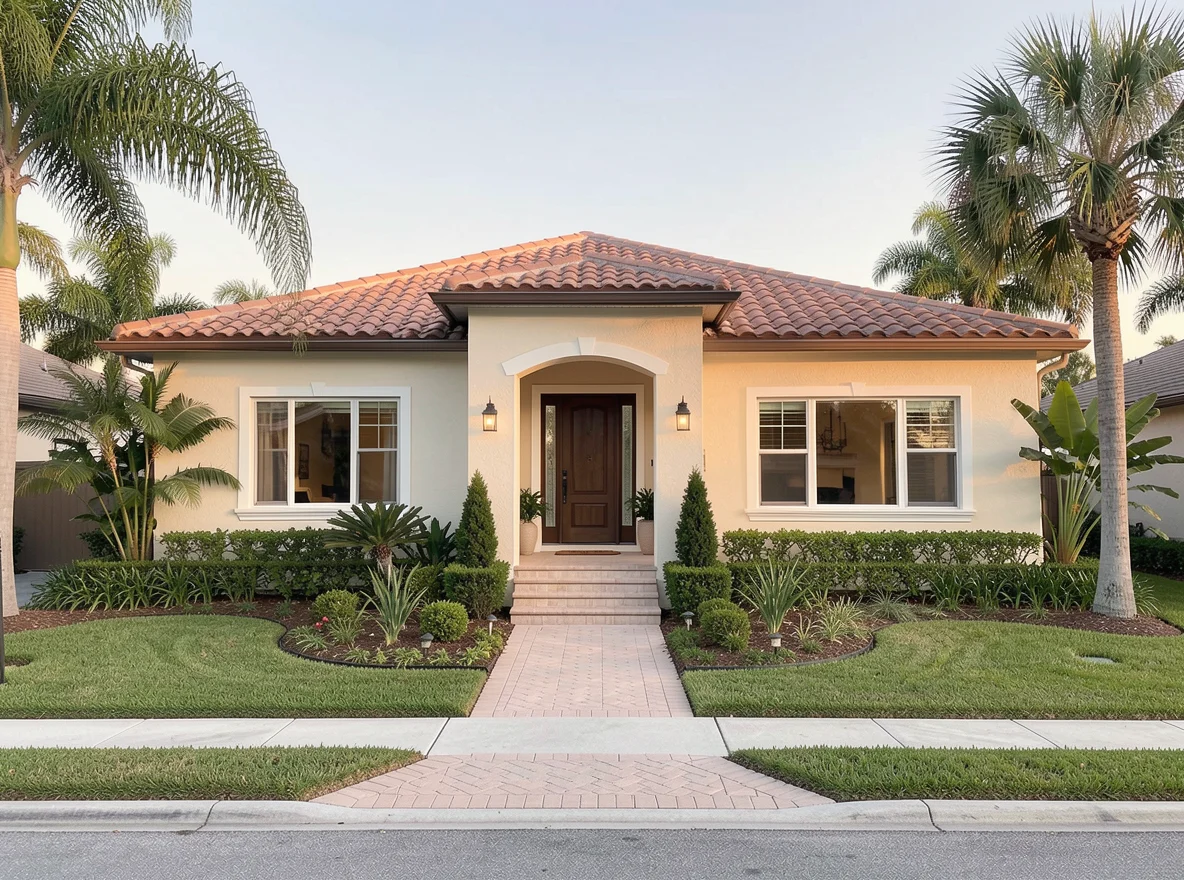
Ask a lender for a preapproval and discuss the loan programs, down payment, interest rate, and closing costs that apply to your situation. A preapproval helps establish a working price range, but it is not a guarantee of final loan approval. The lender will still review the property, your documentation, and other underwriting requirements.
Estimate the monthly payment beyond principal and interest. Include property taxes, homeowners insurance, any separate flood or wind coverage, mortgage insurance if applicable, and homeowners association or condominium fees. Ask your lender and insurance agent to help you work with current estimates for a specific property rather than relying on the seller’s expenses.
A home’s purchase price is only the starting point: insurance, taxes, and association fees can change the monthly picture substantially.
Keep cash available for inspections, appraisal costs, moving expenses, and repairs after closing. Your lender can explain which funds must be documented and when. Avoid major credit changes during the loan process without first discussing them with your lender, and ask how long your preapproval and any rate lock will remain valid.
Check Flood Information for Each Address
Proximity to the water can be an appealing part of an Apollo Beach search, but flood exposure and insurance requirements are property-specific. Review the address on FEMA’s current Flood Map Service Center and ask your lender whether flood insurance will be required. A mapped flood zone is useful information, not a complete prediction of what could happen at a particular home.
Homes outside a high-risk zone can still flood, and standard homeowners policies generally do not cover flood damage. Ask an insurance professional for a property-specific flood quote and an explanation of coverage limits, deductibles, exclusions, and any waiting period. Your lender may have additional coverage requirements, so compare those with the policy terms before making a decision.
Check the flood map and request an insurance quote for the exact address—not just the neighborhood—before your inspection and financing deadlines approach.
If available, review an elevation certificate, prior flood claims or loss information, and relevant seller disclosures with your agent and insurance provider. An existing policy or certificate can be helpful, but do not assume its premium or terms will carry over to you. For additional context, ask local officials about drainage, permit records, and any planned map changes affecting the property.
Make Inspections Fit the Property
A general home inspection gives you a broad look at visible, accessible components, but the right follow-up depends on the house. Read the listing and seller disclosures before scheduling, and ask your inspector what is included. If a feature falls outside the general inspection, arrange a qualified specialist while your contract still allows time to act.
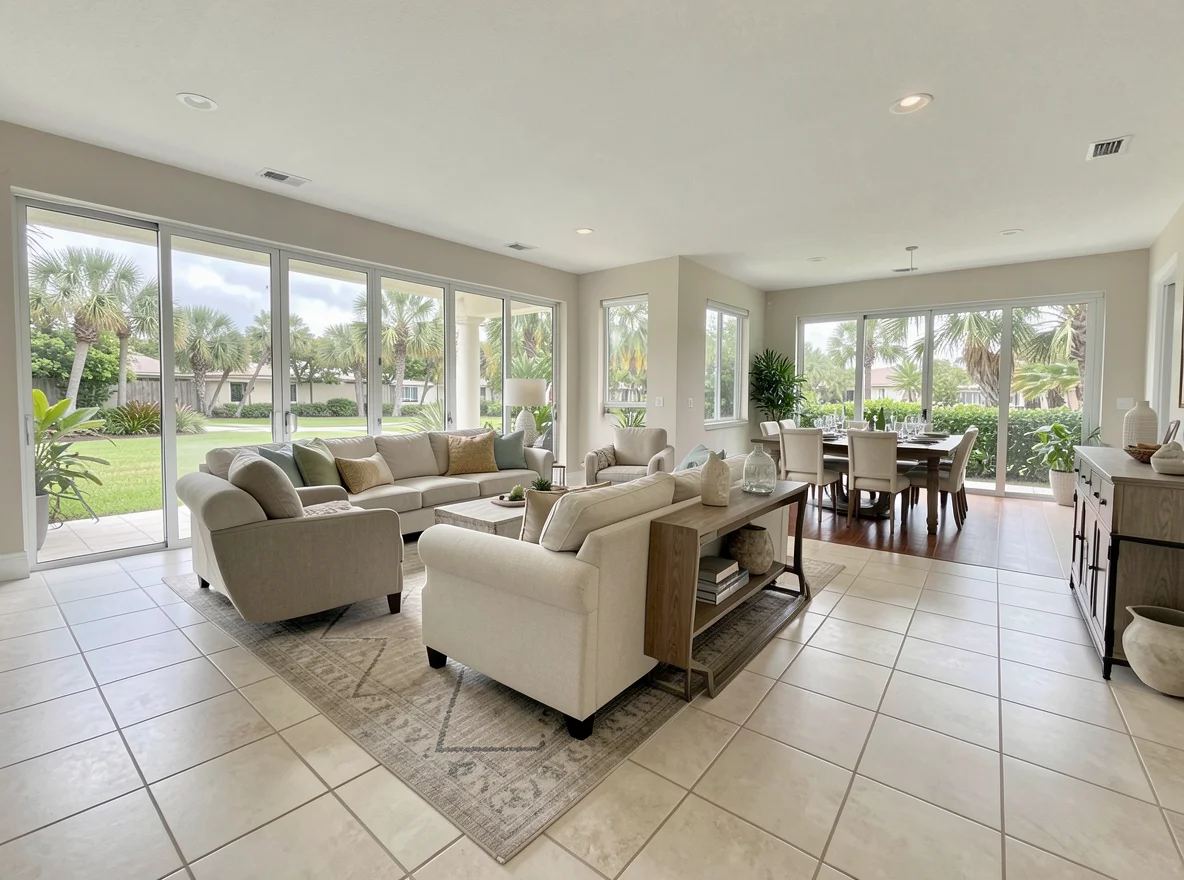
Start with the major systems. Ask about the roof’s age and condition, signs of leaks, electrical and plumbing systems, air conditioning, and visible moisture. In Florida’s humid climate, pay attention to drainage and ventilation as well as any signs of water intrusion. A general inspector may recommend a roofer, HVAC technician, plumber, or other specialist for a closer evaluation.
Consider insurance-related inspections. Ask your insurer whether a wind mitigation inspection or four-point inspection would be useful or required for a quote. A wind mitigation inspection documents certain construction features; a four-point inspection focuses on the roof, electrical, plumbing, and HVAC systems. Neither replaces a comprehensive home inspection, and requirements vary by insurer and property.
Look beyond the living room. If the home has a pool, seawall, dock, boat lift, or other waterfront feature, ask whether a separate inspection is appropriate. Review maintenance records, permits, and applicable association or local rules. Water access, dock use, and navigation conditions should be verified for the specific property rather than assumed from a listing description.
Read the Contract and Plan the Timeline
Before submitting an offer, review the proposed contract with your agent and, when appropriate, a Florida real estate attorney. Identify the deadlines for the deposit, inspections, financing, appraisal, and closing. The wording of the contract controls your options, so ask what happens if you need more time or if an inspection reveals a concern.
Once an offer is accepted, schedule inspections and insurance inquiries promptly. Share requested documents with your lender, and follow up on the appraisal and title work. If an inspection raises questions, obtain estimates or specialist opinions before deciding whether to request repairs, negotiate other terms, proceed as agreed, or exercise an available contract right.
For a home in an association, request the governing documents, fee schedule, budget, and information about assessments or pending changes available to you. For a condominium, ask your lender about its project-review requirements as well. Confirm the applicable document-review rights and deadlines in your contract; they may affect how quickly you need to evaluate the information.
Compare Homes With Your Priorities in Mind
As you visit properties, make notes about the things a photo cannot fully capture: natural light at the time of your visit, storage, outdoor maintenance, traffic along your preferred route, and the condition of nearby amenities. If schools are part of your research, verify attendance boundaries and programs directly with the school district, since assignments can change.
Ask your agent for recent comparable sales and current listing information before settling on an offer price. Conditions can vary by property type, location, and condition, so a broad market headline may not tell the whole story. Compare each home’s likely monthly costs and inspection needs alongside its features.
Prepare for Closing
As closing approaches, review your closing disclosure with your lender, confirm the funds needed and accepted payment method, and arrange insurance to begin when required. Verify wiring instructions directly with a trusted contact using a known phone number; do not rely solely on an emailed change. Schedule a final walkthrough to check the property’s condition and any agreed-upon repairs.
A well-organized search leaves room for both the practical details and the excitement of finding a home. With a clear budget, address-specific flood research, and inspections matched to the property, you can make decisions with a better understanding of what comes next.