
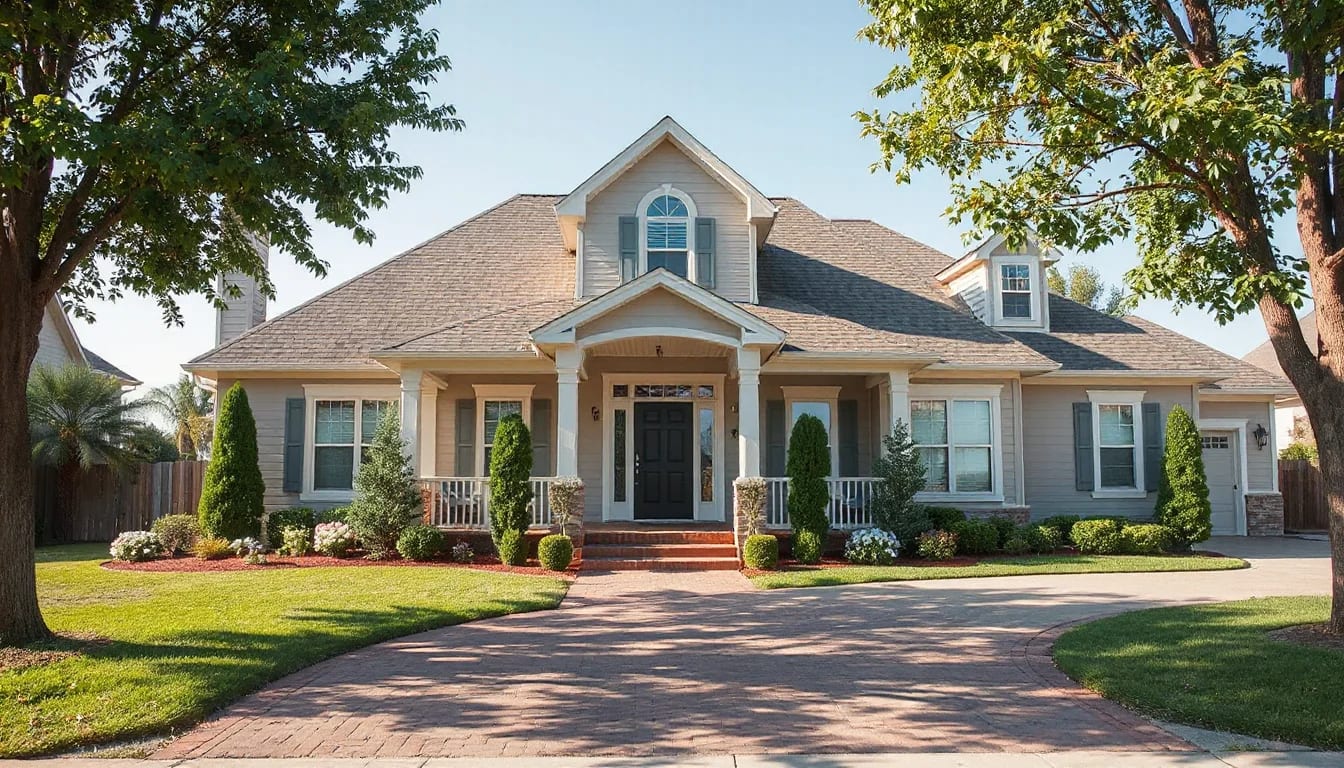
A home in Odessa can offer more than a place to live, but a strong return depends on the numbers behind the address. Evaluate the full cost of ownership, realistic rental income, local rules, and the features that may matter when it is time to sell. A careful comparison turns “potential” into a decision you can explain with confidence.
Start With the Real Cost of Owning an Odessa Home
Return on investment is not a single percentage pulled from a listing price. For an Odessa home purchase, it is the relationship between your upfront cash, ongoing ownership expenses, potential income, and the amount you may recover when you sell. The area’s mix of established neighborhoods, newer construction, larger lots, and communities near major road connections gives buyers a range of options—but each option carries a different cost profile.
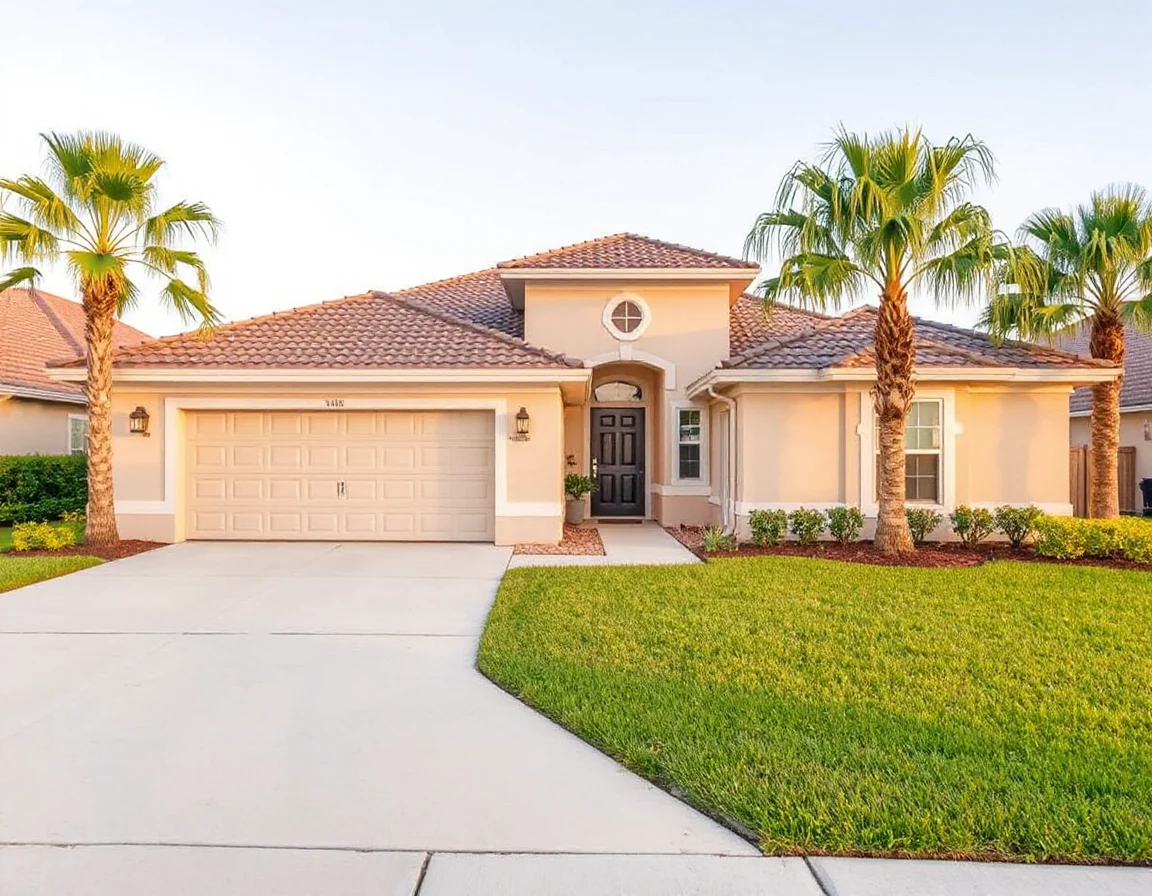
Begin with the purchase price, down payment, loan terms, closing costs, and any immediate repairs or furnishing needs. Then build an annual operating budget. In Florida, homeowners should look closely at property taxes, homeowners insurance, wind and flood coverage where applicable, HOA or CDD assessments, lawn care, pool care, utilities, and reserves for routine maintenance. A lower asking price can lose its advantage quickly if a home needs a roof, HVAC system, drainage work, or substantial updates.
Insurance deserves special attention in any Florida ownership calculation. Premiums and availability can vary by construction year, roof age and material, mitigation features, claims history, and carrier requirements. Ask for insurance estimates early rather than treating the expense as an afterthought. Likewise, review seller disclosures, permits when relevant, and the age of major systems so that your projection includes likely replacement cycles instead of only the first year’s bills.
A useful ownership budget includes a monthly reserve for repairs and replacements, not just the mortgage payment and recurring bills. Planning for maintenance makes a projected return more durable when routine surprises appear.
For a simple cash-flow view, subtract estimated annual operating costs and debt service from expected rental income. For an owner-occupant planning a future sale, track total cash invested alongside principal paydown and the estimated net proceeds after selling costs. Neither calculation predicts the future, but both reveal how sensitive the outcome is to changes in rent, insurance, interest rates, or resale price.
Estimate Rental Potential With Conservative Assumptions
Rental potential can be part of an Odessa home’s investment case, whether you are considering a long-term rental now or keeping future flexibility in mind. The key is to avoid relying on the highest advertised rent in the area. Compare homes with similar bedroom counts, condition, lot characteristics, parking, amenities, lease terms, and proximity to the same transportation corridors. A renovated property and an original-condition property may sit in the same broad market but attract very different rental interest.
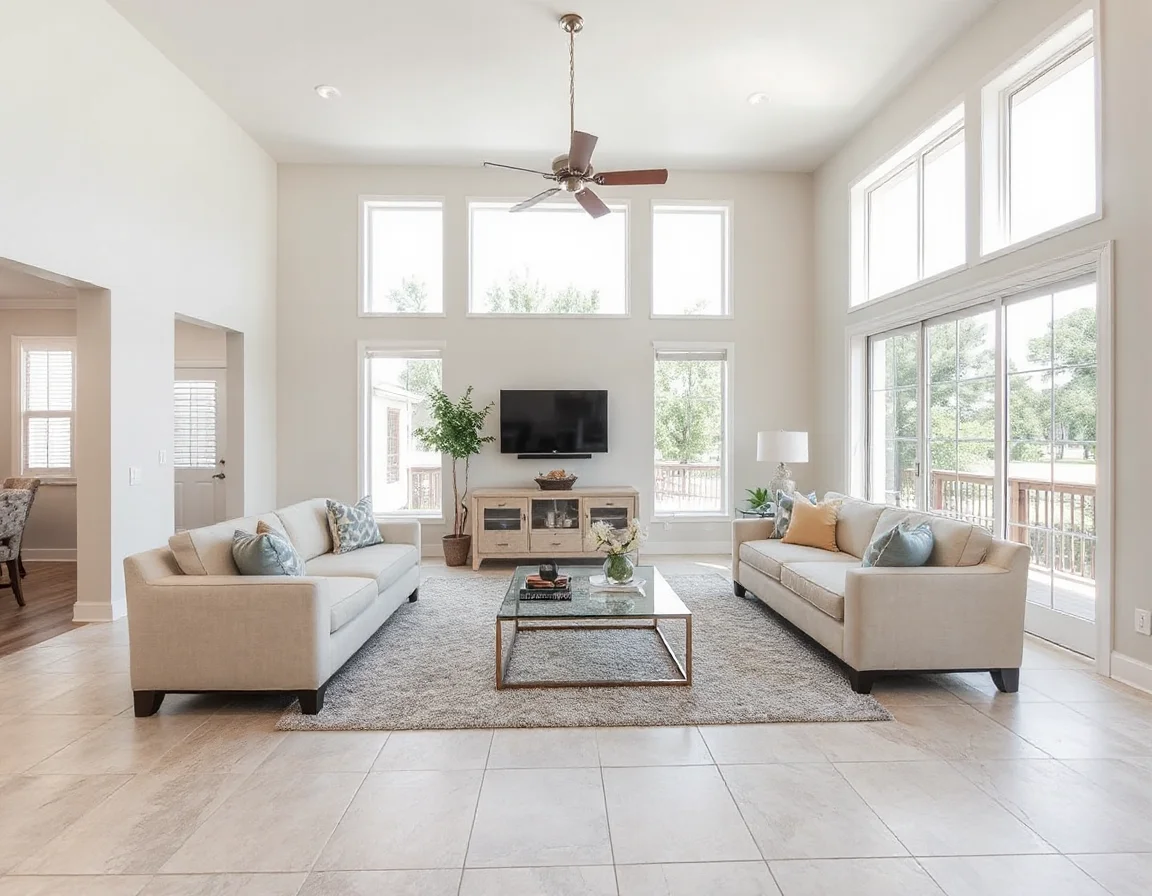
Use a conservative rent estimate, then account for vacancy, leasing costs, turnover cleaning, property management if you plan to use it, repairs, and owner-paid services. Even a well-maintained home may have periods between tenants or require updates after a lease ends. A projection that works only at full occupancy and top-of-market rent is usually too fragile for practical planning.
Before counting on rental income, read the community documents. Many associations regulate leasing through minimum lease periods, application procedures, tenant registration, rental caps, or limits on short-term use. County and local regulations, licensing requirements, and tax obligations can also apply depending on the type of rental. Confirm current rules directly with the association and appropriate local authorities, since policies can change and a listing description is not a substitute for due diligence.
Homes that are clean, well maintained, and functionally updated often have broader appeal in the rental market. Useful features can include durable flooring, practical storage, efficient systems, outdoor living space, garage parking, and a layout that supports everyday routines. Focus on condition and usability rather than expensive improvements that may not produce a comparable increase in rent.
Look for Resale Factors That Hold Up Over Time
Resale is the other half of the Odessa ROI conversation. No buyer can control future market conditions, but they can choose a property with attributes that are consistently easy to explain: a well-kept exterior, sound major systems, a functional floor plan, reliable parking, usable outdoor areas, and a location with practical access to daily destinations and regional routes. These features do not guarantee appreciation, yet they can help a home remain competitive when comparable properties come on the market.
Lot and community characteristics matter as well. Review drainage, easements, wetlands, flood-zone information, road noise, nearby construction plans, and association restrictions. In communities with amenities, include monthly or annual fees in your comparison and consider how those amenities are maintained. For homes with pools, acreage, docks, or specialized features, assess both the lifestyle value and the ongoing maintenance commitment.
Updates should be evaluated through the lens of marketability. Fresh paint, repaired surfaces, modern lighting, landscaping, and a clean inspection record can improve a future listing presentation. Larger projects—such as a kitchen remodel or pool renovation—may make sense when they solve a real condition issue or align the home with nearby competition. However, spending does not automatically translate dollar-for-dollar into resale value, so compare proposed improvements with recent local sales before committing.
It also helps to study the likely buyer pool without making assumptions about who will purchase the home. Consider the property’s objective features: price range, size, construction type, monthly carrying costs, accessibility of the layout, and condition relative to comparable homes. A home that is straightforward to inspect, finance, insure, and maintain may be easier to position in a changing market.
Build a Decision Model Before You Make an Offer
A practical Odessa ROI model uses three scenarios: conservative, expected, and optimistic. In the conservative version, use a lower rent estimate, higher maintenance allowance, more vacancy, and modest resale assumptions. In the expected version, use the best-supported local comparables. Treat the optimistic version as a possibility rather than the basis for affordability. If the purchase still makes sense under conservative assumptions, you have created more room for normal market variability.
- Upfront costs: down payment, closing expenses, inspections, appraisal, repairs, and furnishing or improvement plans.
- Annual costs: loan payments, taxes, insurance, HOA or CDD fees, utilities, maintenance, and reserve contributions.
- Rental assumptions: supported market rent, vacancy allowance, management, turnover, and leasing costs.
- Resale assumptions: selling expenses, likely improvements before listing, and multiple price scenarios based on comparable properties.
Run the numbers before and after insurance, HOA, and maintenance estimates are added. The most useful comparison is often not the highest projected return, but the property whose costs and tradeoffs you understand clearly.
Market timing can influence financing costs, available inventory, and negotiation strategy, but it should not replace property-level analysis. Review recent comparable sales and active competition, then revisit your assumptions whenever a material cost changes. A property can be a reasonable purchase for personal use, a future rental plan, or long-term ownership even when it is not designed to produce immediate cash flow.
Make the Return Fit Your Goals
The best Odessa home ROI is not necessarily the one with the boldest spreadsheet result. It is the one that aligns with your intended timeline, financing comfort, maintenance capacity, and flexibility for future plans. By verifying expenses, using realistic rental assumptions, and prioritizing resale-ready fundamentals, you can evaluate each property with a clearer view of both opportunity and risk. A disciplined review now can make the eventual move, lease, or sale far easier to navigate.