
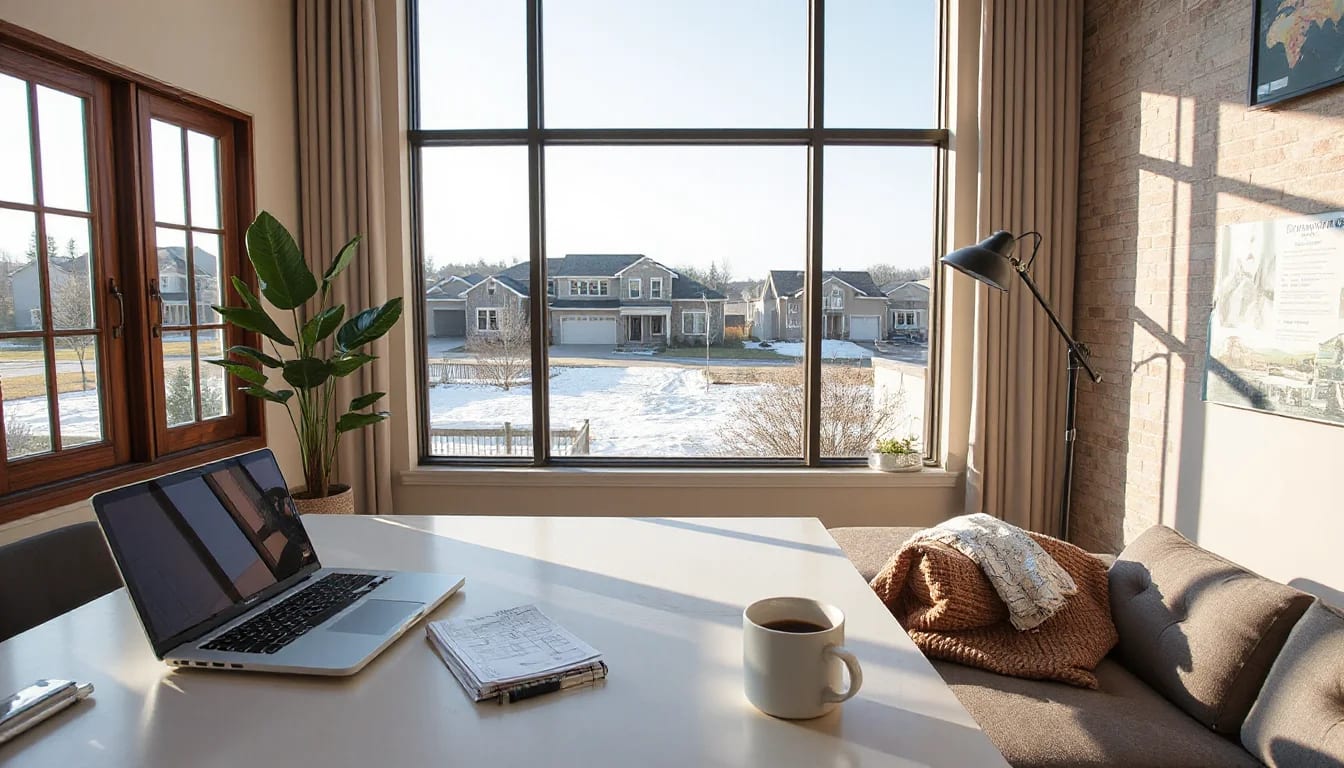
New construction in Wesley Chapel can offer modern layouts, energy-conscious features, and a fresh start—but the advertised base price is only one part of the decision. Comparing communities, builder contracts, incentives, lot premiums, and ongoing costs before signing can help you choose a home that fits both your priorities and your budget.
Start With the Complete Price, Not the Base Price
A model home visit can make the new-construction process feel wonderfully simple: choose a plan, select a lot, pick finishes, and wait for move-in day. In practice, the most useful comparison begins before the design appointment. Wesley Chapel buyers should ask each builder for a written estimate that separates the base home price from the costs that may be added during the purchase process.
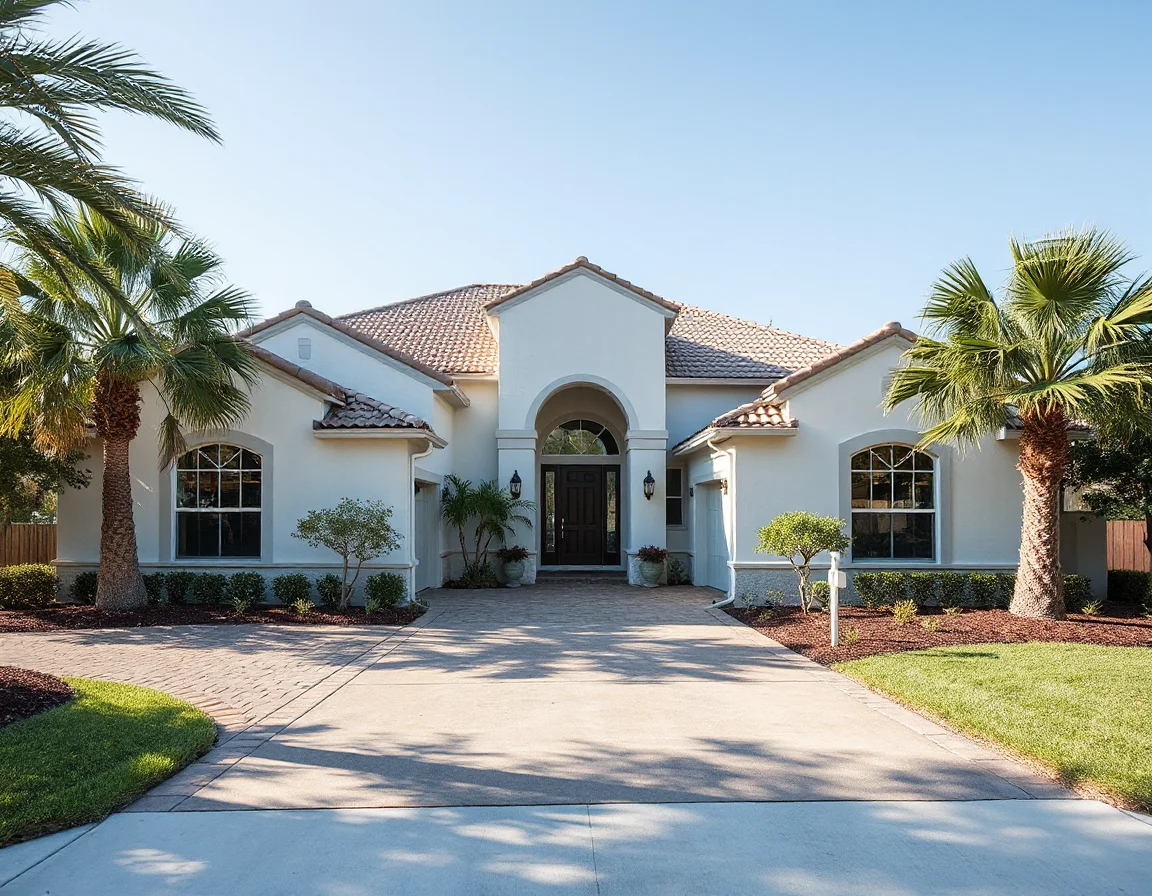
The base price may include the structure and a standard feature package, while the final contract amount can reflect a lot premium, structural selections, upgraded flooring, cabinetry, appliances, lighting, outdoor features, closing expenses, and lender-related charges. Some additions are optional; others may be required because of the selected lot or community standards. A home that appears less expensive at first glance can become comparable—or more costly—once those details are included.
Ask for a side-by-side “all-in” worksheet for every community on your shortlist. Include the anticipated purchase price, earnest money schedule, estimated monthly payment, insurance estimate, property taxes, HOA dues, and any community development district assessment. CDD obligations vary by community and may be collected through the tax bill, so it is important to understand both the annual amount and how long the assessment may remain in place.
The most revealing number is often the estimated total cost to close plus the expected monthly carrying cost—not the number printed on the model-home sign.
Lot selection deserves the same level of attention. A premium may reflect location within the neighborhood, water or conservation adjacency, a cul-de-sac position, a larger homesite, or a particular orientation. Rather than assuming a premium automatically adds resale value dollar for dollar, consider how the homesite works for your daily use, exterior maintenance, views, privacy preferences, and the placement of future outdoor improvements.
Compare What Is Included in Each Home
New homes with similar square footage can feel very different because the included specifications vary widely. One builder may include a covered outdoor area, quartz countertops, a refrigerator, window treatments, or a tankless water heater in the standard package; another may treat those same elements as upgrades. The goal is not to find a universally “better” package, but to understand precisely what you are receiving at each price point.
Bring a consistent checklist to every appointment. Review the floor plan, ceiling heights, window placement, storage, garage dimensions, laundry layout, exterior elevation, included appliances, flooring locations, cabinet construction, countertop materials, smart-home equipment, and landscaping package. If an item matters to you, ask whether it is included in the contract and specifications rather than relying on what is displayed in a highly upgraded model.
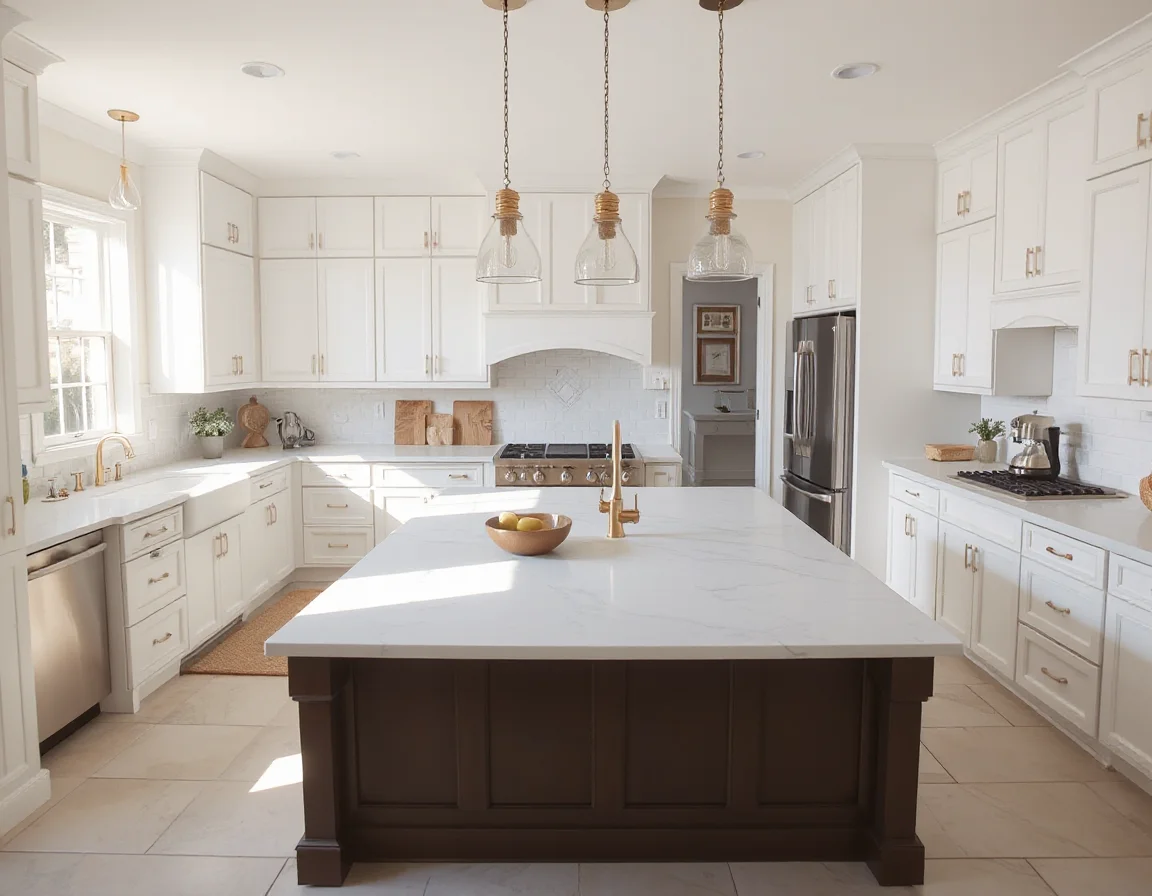
Pay special attention to the distinction between structural options and decorative selections. Structural choices—such as an additional bedroom, extended living area, bonus room, extra bath, or plumbing rough-in—are typically decided early and may be difficult or expensive to change later. Decorative items, including paint colors, tile, hardware, and some fixtures, may offer more flexibility after closing. Prioritizing the decisions that cannot easily be revisited can help keep the design budget focused.
Energy features also warrant specific questions. Ask about insulation, windows, HVAC efficiency, water heating, ventilation, and available utility information. These details can influence comfort and operating costs, but compare written specifications rather than broad marketing terms. Request copies of the standard feature sheet and any energy or warranty documentation available for the particular plan.
It is also reasonable to visit completed homes or homes under construction when the builder permits it. Seeing a plan beyond the polished model can help you evaluate room proportions, natural light, driveway placement, streetscape spacing, and the practical feel of included finishes.
Read the Contract With a Timeline in Mind
Builder contracts often differ from resale contracts in important ways. They may establish construction milestones, deposit schedules, design deadlines, financing requirements, permitted delays, warranty procedures, and the builder’s process for making substitutions. The contract is the controlling document, so take time to read it carefully and seek appropriate professional guidance before committing funds.
Ask for an estimated construction timeline, then ask what can change it. Weather, material availability, permitting, inspections, labor scheduling, and final utility work can all affect the completion date. A projected date is helpful for planning, but it is not always a guarantee. If you need to coordinate a lease end, sale of an existing home, moving company, or temporary housing, build flexibility into the plan.
Financing deserves an equally close review. Builder-affiliated lenders may offer incentives such as closing-cost contributions, rate options, or design-center credits. Those incentives can be valuable, but compare the full loan terms with other options: interest rate, annual percentage rate, lender fees, discount points, lock period, monthly payment, and cash required at closing. The best choice is the one that makes sense across the complete transaction, not simply the one with the largest headline credit.
Independent inspections can be useful at multiple stages, subject to the builder’s policies and construction schedule. Many buyers choose a pre-drywall inspection and a final inspection before closing. A thorough walk-through gives you an opportunity to document items for correction and learn how key systems operate. Keep written records, photographs, and copies of all completed punch-list items.
Look Beyond the Front Door
Wesley Chapel offers a range of newer communities, established neighborhoods, retail destinations, parks, trails, and access routes throughout the Tampa Bay region. When comparing new construction, spend time in each area at different hours of the day. Notice travel patterns, nearby road projects, construction activity, amenity access, sidewalks, drainage features, and the distance to the places you use regularly.
Community amenities can be appealing, but their details matter. Confirm what is planned, what is already complete, who maintains it, whether access rules apply, and how those features are funded. Review HOA documents, architectural guidelines, parking rules, rental restrictions if applicable to your plans, and landscaping or exterior-maintenance responsibilities. A clear understanding of the ongoing obligations helps prevent surprises after closing.
It can also be helpful to compare new construction with recently built resale homes. A resale property may offer a completed neighborhood, established landscaping, window treatments, appliances, and upgrades already reflected in the list price. A new build may offer a preferred layout, current building standards, personalization options, and a builder warranty. Neither path is automatically superior; the best fit depends on your timing, budget, and preferred level of customization.
Make a Decision You Can Feel Confident About
Before signing, gather the documents that turn a beautiful model-home impression into a practical comparison: the purchase agreement, addenda, feature sheet, site plan, lot information, design selections, estimated closing disclosure, HOA materials, CDD information when applicable, warranty summary, and lender worksheet. Keep notes from every builder visit so you can compare the same categories rather than relying on memory.
A thoughtful new-construction purchase is less about finding the flashiest upgrade package and more about understanding value over time. When price, lot, specifications, monthly costs, contract terms, and timeline all align with your goals, you can move forward with a clearer picture of what you are buying—and what it will take to make the home your own.