

Buying a first home in Citrus Park is easier to manage when each decision has a purpose: understand the monthly payment, secure a meaningful preapproval, compare homes with a clear checklist, and protect the purchase through inspections and final review. This guide breaks the process into practical steps so the path from browsing to closing feels organized rather than overwhelming.
Start With a Budget That Reflects the Full Monthly Cost
The first step is not touring homes—it is getting clear on what ownership will cost month after month. A purchase price is important, but it is only one part of the picture. A realistic Citrus Park home-buying budget should account for principal and interest, property taxes, homeowners insurance, possible mortgage insurance, HOA or condominium fees where applicable, utilities, maintenance, and reserves for unexpected repairs.

Begin by reviewing income, recurring debts, available savings, and the amount you would be comfortable paying each month. A lender can explain how debt-to-income ratios affect borrowing capacity, but your own comfort level matters too. Leave room in the budget for ordinary living expenses and for the costs that arrive after move-in, from window coverings to a service call or a new appliance.
For buyers considering Citrus Park, local property characteristics can influence the payment. Insurance costs may vary by construction, roof age, wind-mitigation features, flood-zone designation, and coverage choices. Taxes can also change after a sale because assessed values and exemptions may be recalculated. Ask for estimates based on the specific property instead of relying only on the seller’s current tax bill or an online payment calculator.
A lender’s maximum approval amount is a lending guideline, not a required spending target. Building a purchase range around the payment you can comfortably sustain gives every later decision more clarity.
It is also helpful to separate funds by purpose. Your down payment, earnest-money deposit, inspection costs, appraisal charge, lender fees, prepaid items, and moving expenses may all come from different parts of your savings plan. Knowing those categories early makes it easier to compare loan options without confusing cash needed at closing with the home’s purchase price.
Get Preapproved Before You Fall in Love With a Listing
Prequalification can be a useful early estimate, but a preapproval is typically a stronger next step. During preapproval, a lender reviews financial documentation such as income records, assets, credit information, and debts to provide a more detailed assessment of borrowing capacity. In a competitive situation, a complete preapproval letter can help demonstrate that an offer is supported by a verified financing plan.
Compare more than the interest rate. Ask lenders to walk through the loan type, annual percentage rate, projected cash to close, points or lender credits, mortgage insurance, rate-lock options, and estimated monthly payment. Government-backed and conventional loans have different eligibility rules, down-payment options, and ongoing costs. The best fit depends on the buyer’s finances, the property, and long-term plans, so there is value in reviewing the details carefully.
Once preapproved, protect the application while you shop. Avoid opening new credit accounts, financing a vehicle or large purchase, moving substantial funds without documentation, or changing employment without discussing it with the lender first. A lender may recheck credit, income, assets, and debts before closing, and a change can affect final approval.
Tour Citrus Park Homes With a Practical Checklist
With financing underway, the search becomes more focused. Citrus Park offers a range of property styles, including single-family homes, townhomes, condominiums, and communities with varying association structures. Create a short list of nonnegotiables—perhaps location, number of bedrooms, parking, outdoor space, or layout—and a separate list of features that would be welcome but flexible.
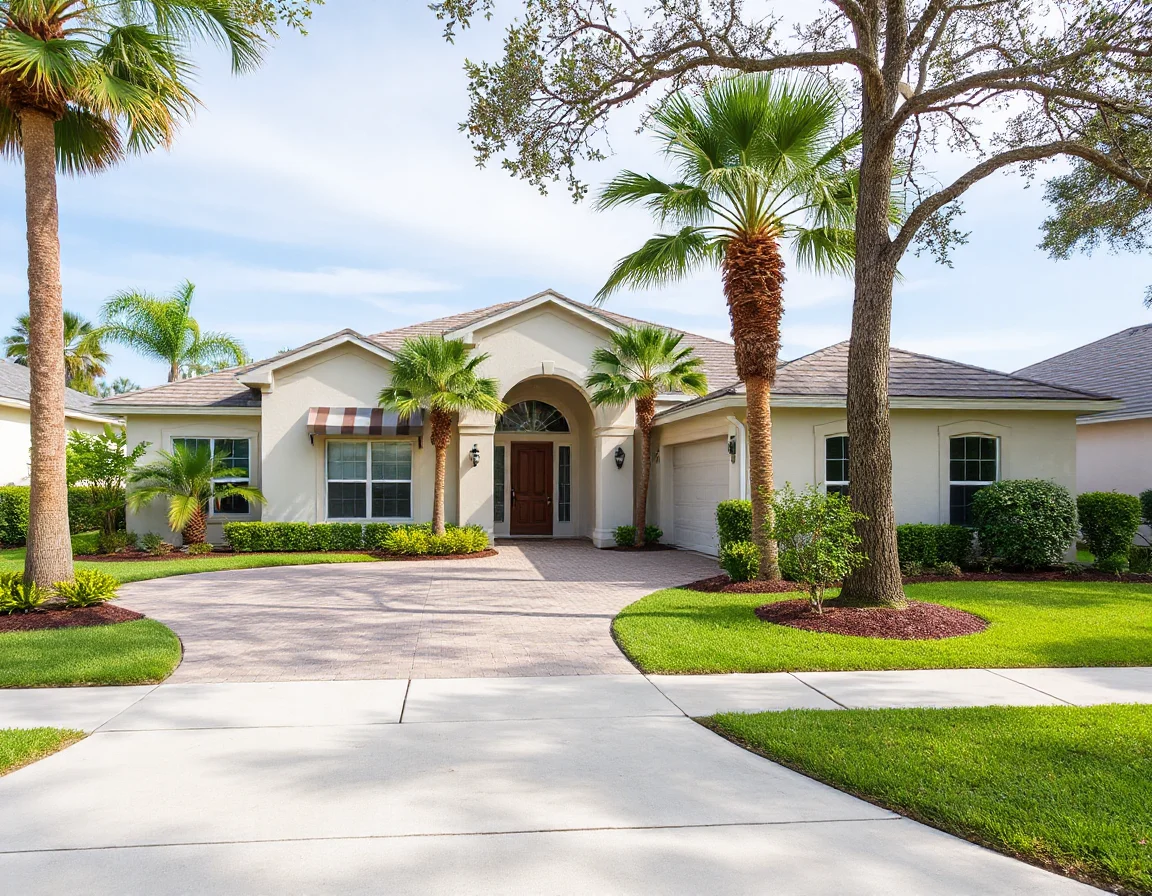
As you visit homes, look beyond paint colors and staging. Notice the age and condition of major systems, including the roof, HVAC equipment, water heater, electrical panel, windows, and plumbing fixtures. Check storage, natural light, traffic flow, lot drainage, parking access, and the condition of outdoor features. Photos and listing descriptions are useful starting points, but an in-person visit often reveals how a home functions day to day.
If a home is in a community with an HOA or condominium association, request and review the available documents. Monthly or annual fees, rental restrictions, pet policies, parking rules, reserves, pending assessments, insurance responsibilities, and architectural guidelines can all affect ownership costs and flexibility. These are not minor details; they are part of evaluating the overall value of the property.
For any address under consideration, confirm practical location details independently. Map typical routes during the times you expect to travel, review nearby parks and services, and check official sources for zoning, flood information, and property records. A thoughtful search is not about finding a flawless house—it is about identifying a property whose strengths, costs, and future maintenance needs match your priorities.
Write a Smart Offer and Use the Contract Period Well
When you find the right property, an offer is more than a number. The purchase price, earnest-money amount, financing terms, inspection period, requested closing date, seller concessions, and any included personal property can all shape the strength and practicality of the contract. Your real estate professional can help you review recent comparable sales, current competition, and the terms that deserve special attention.
Once a contract is accepted, the timeline becomes active quickly. Deliver earnest money according to the contract instructions, continue working with the lender, schedule inspections, and gather documents promptly when requested. Florida transactions often involve several professionals, including the lender, title company, inspector, appraiser, insurance provider, and real estate agents. Fast communication keeps each moving part aligned.
A professional home inspection is one of the most useful opportunities to understand a property. Inspectors generally review visible and accessible systems and components, then provide findings that can help you plan for repairs, maintenance, or additional specialist evaluations. Depending on the home, buyers may also consider inspections or reports related to wind mitigation, four-point insurance requirements, wood-destroying organisms, sewer lines, pools, or other property-specific conditions.
Inspection findings do not automatically mean a transaction should end. Instead, use them to distinguish between routine maintenance, items to monitor, and material concerns. If repairs or credits are requested, focus on clear documentation and contract deadlines. Your lender should also be updated if negotiations change the purchase price or seller concessions.
Finish Strong: Appraisal, Insurance, Final Walk-Through, and Closing
As closing approaches, the lender orders an appraisal to assess the property’s market value for lending purposes. An appraisal is different from an inspection: it is not a detailed condition report, and an inspection is not a valuation. If the appraisal comes in at or above the contract price, financing can generally continue subject to the rest of the lender’s conditions. If it is lower, the parties may need to revisit the contract terms, loan structure, or cash contribution.
Insurance is another essential closing item in Florida. Start obtaining quotes early enough to compare coverage and give the lender time to review the policy. Provide accurate property details, and ask the insurance professional which documents or inspections are needed for the specific home. Waiting until the final days can create unnecessary pressure when underwriting, repairs, or additional information is required.
Before closing, review the Closing Disclosure carefully. This form outlines the final loan terms, projected payment, cash needed to close, and itemized costs. Compare it with the earlier Loan Estimate and ask questions about any meaningful change. Complete the final walk-through shortly before signing to verify the home’s agreed condition, confirm included items remain, and make sure any negotiated repairs have been addressed as documented.
The closing appointment is the finish line, but it is also the beginning of ownership. Keep copies of your signed documents, inspection reports, warranties, and insurance information in one secure place. Then make a first-year maintenance plan: change HVAC filters, locate shutoff valves, schedule service for major systems, and set aside a monthly reserve for repairs. With preparation and a steady process, buying a first home in Citrus Park can move from a major milestone on paper to a well-supported decision you can enjoy for years to come.