

Listing photos are often the first showing of a Westshore home, and a few focused staging choices can make every room feel more intentional online. The goal is not to erase personality; it is to create bright, clear images that help buyers understand the layout, condition, and standout features before they schedule a visit. Start with the spaces that appear first in a listing search, then carry that polished look through the rest of the home.
Start With the Camera’s Point of View
Professional listing photos do more than document a property. They create a visual path through the home, beginning with curb appeal and continuing through the rooms where buyers pause longest online. In the Westshore area, where buyers may compare homes with varying layouts, condo amenities, waterfront access, and proximity to major Tampa destinations, clean photography helps a listing communicate its value without asking viewers to guess what they are seeing.
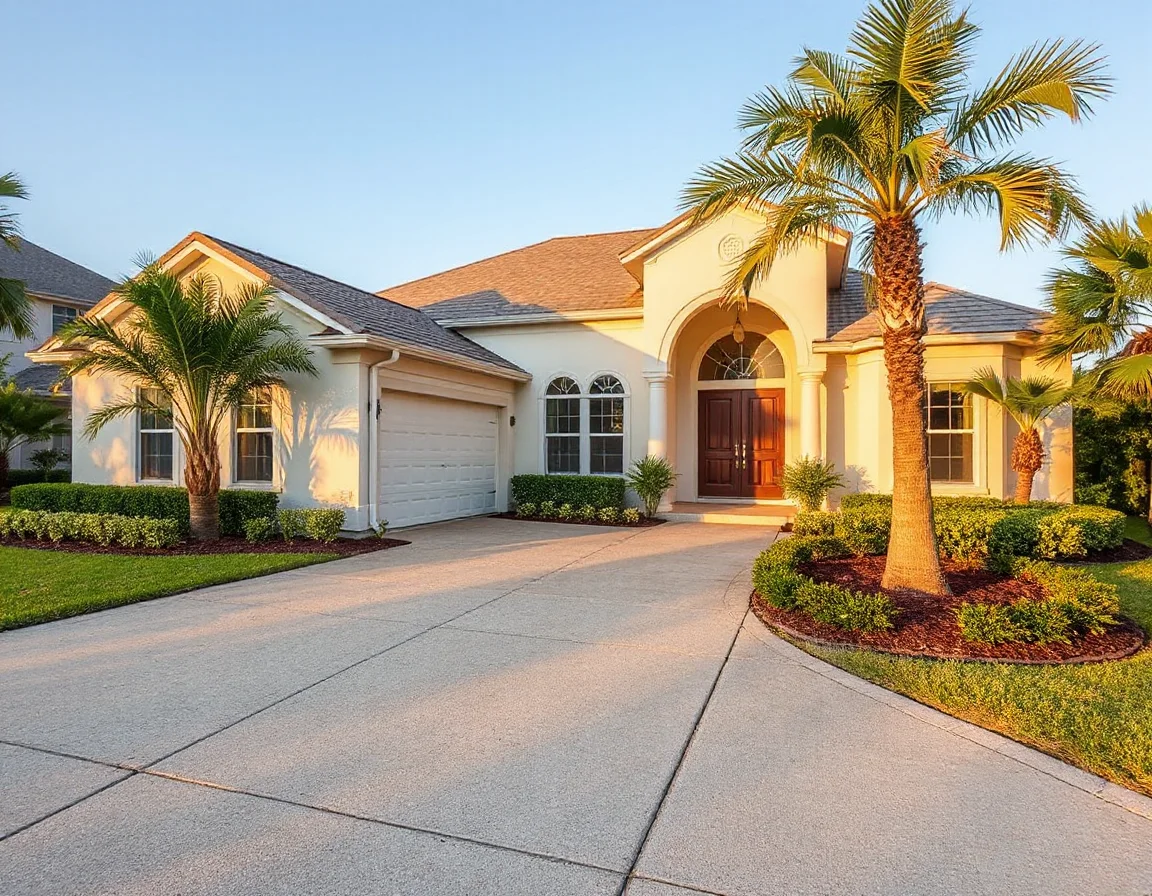
Before moving furniture, walk through the home as if you were seeing it in a photo gallery. Stand in each doorway and notice what catches your eye: a window wall, an open sightline, a fireplace, a renovated kitchen island, or a room that feels crowded from one angle. Those observations become your photo priorities. A strong image should give the viewer one clear idea at a time rather than competing for attention with piles, cords, oversized décor, or too many small objects.
Begin outside. A freshly swept entry, neatly edged planting beds, clear house numbers, and an uncluttered porch can make the opening image feel cared for. Move bins, hoses, delivery boxes, spare planters, and vehicles out of the camera’s view when possible. If the home has a patio, balcony, pool area, or water-facing outdoor space, arrange it as a usable destination rather than a storage zone. A pair of clean chairs, simple cushions, and a cleared table can communicate scale far better than a crowded collection of outdoor items.
Inside, open blinds or shades where privacy allows, replace burned-out bulbs, and check that light fixtures use matching bulb temperatures. Mixed lighting can make white walls appear yellow, blue, or uneven in photos. Daylight is helpful, but harsh Florida sun can also create intense contrast; your photographer can advise on timing and exposure. Your role is to make windows, glass doors, and mirrors spotless so light reads as an asset rather than a distraction.
For most rooms, removing 25 to 30 percent of visible items creates more impact than buying new décor. Clear surfaces and open walkways help the camera show usable square footage.
Make the Main Living Areas Feel Purposeful
Living rooms, kitchens, and primary gathering areas tend to carry the most weight in an online listing. These rooms should look comfortable, functional, and easy to read at a glance. That does not mean every space needs to look like a showroom. It means furniture placement should reveal the room’s natural proportions, architectural details, and traffic flow.
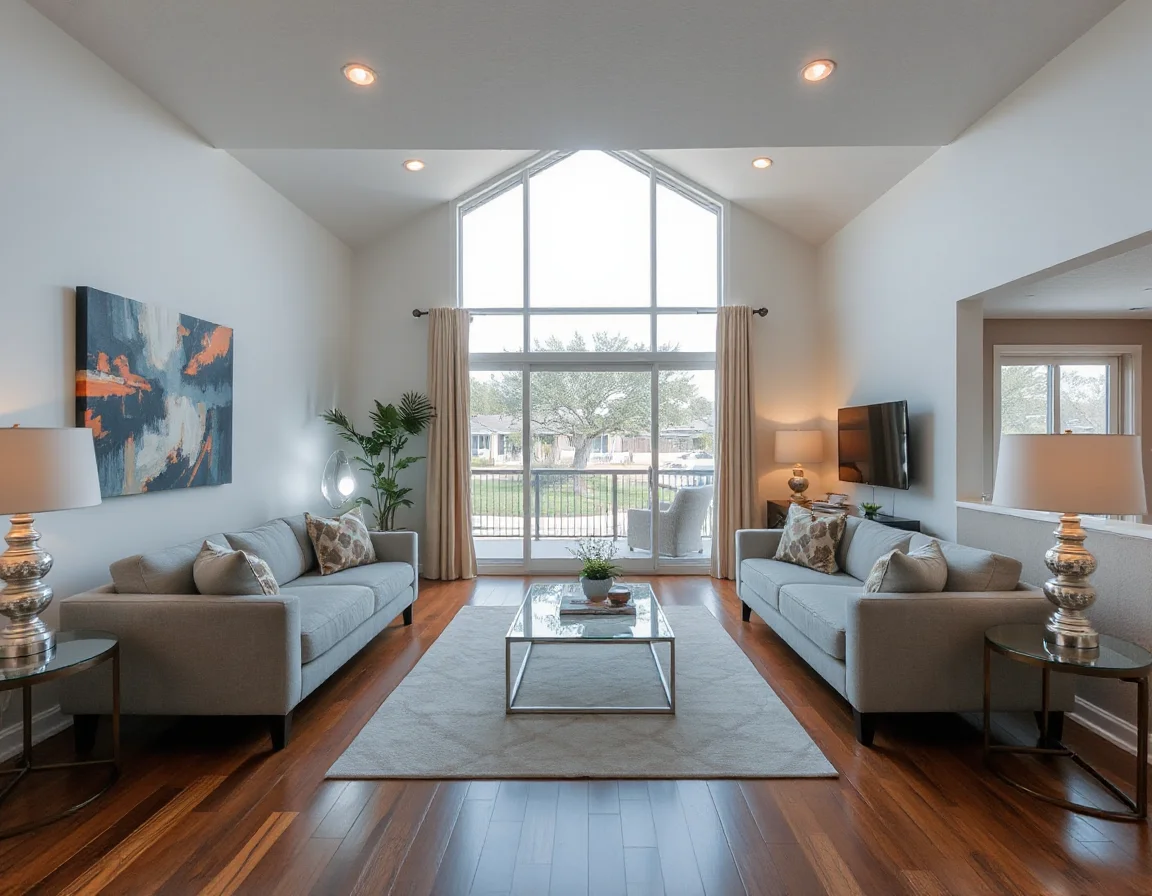
In a living area, start by removing extra chairs, bulky side tables, pet beds, exercise equipment, and collections that break up the floor plan. Pull furniture slightly away from the walls if the arrangement permits, then create a simple conversation area around a focal point such as a media wall, fireplace, or window. A neutral throw, a few coordinated pillows, and one restrained tabletop arrangement can add warmth without making the room feel busy. Keep personal photographs, highly specific memorabilia, and visible paperwork stored away for photography day.
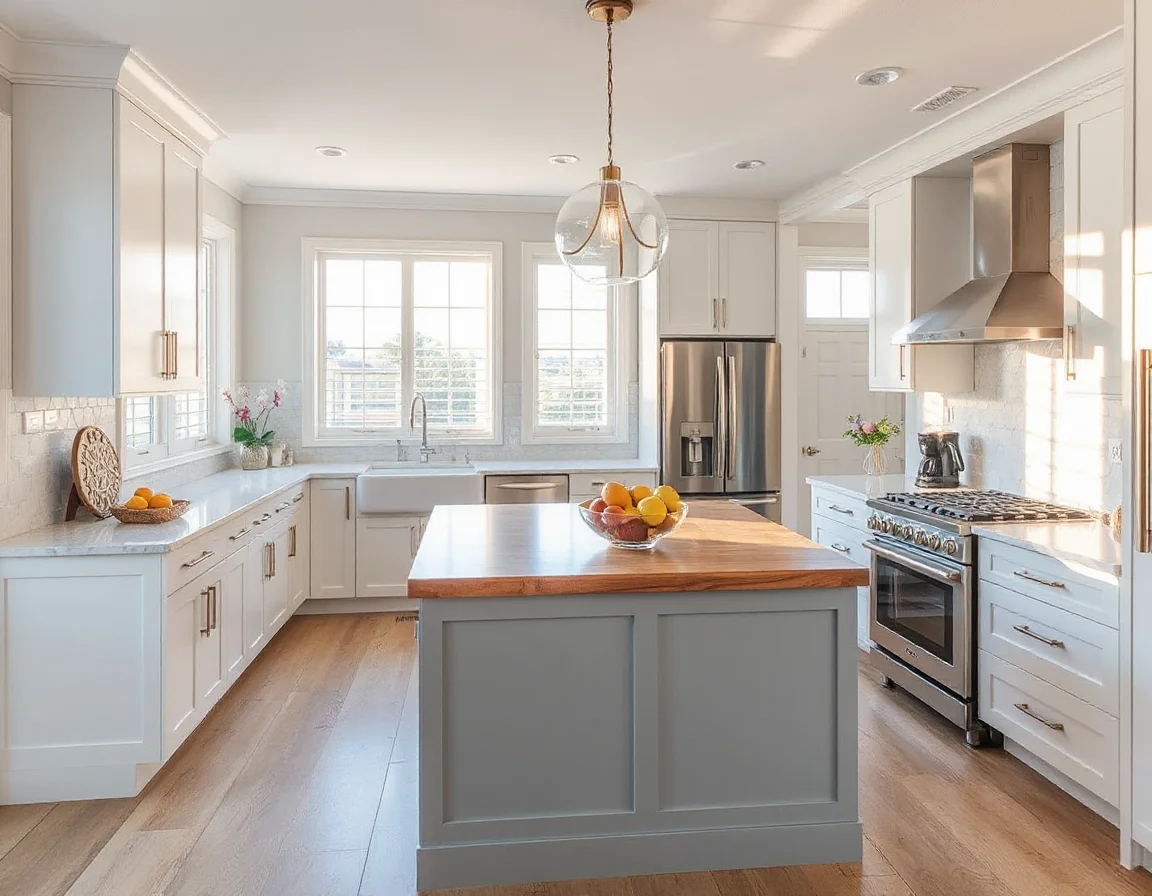
The kitchen deserves an especially disciplined edit. Clear counters except for a few deliberate items, such as a small bowl of fruit, a wood board, or a compact plant. Put away dish racks, soap bottles with bright labels, mail, countertop appliances that are not essential, and refrigerator magnets. Fresh towels, an empty sink, and aligned stools can make a notable difference. If cabinetry, counters, or appliances are a selling feature, staging should direct attention toward those elements instead of obscuring them.
Dining spaces photograph best when they show how the room can be used without appearing over-set. Use a clean table surface or a modest centerpiece, straighten chairs, and remove temporary workstations. If a breakfast nook or flex space is currently used for multiple purposes, choose the use that best highlights the room’s dimensions and connection to nearby spaces. Clear labeling in the listing description can later explain flexibility; the photo itself should remain simple.
Do not overlook hallways, laundry areas, and transitions between rooms. They may not receive many standalone photos, but they are visible in the background and influence how cohesive the home feels. Close closet doors, remove items from stair landings, tuck away shoes, and check that rugs lie flat. These small adjustments signal attention to detail throughout the property.
Stage Bedrooms and Baths for Calm, Clear Photos
Bedrooms and bathrooms benefit from a quieter approach. Buyers want to see the room, storage potential, light, and finishes—not the everyday tasks happening in the space. Fresh bedding, simplified nightstands, and a clear floor can make a bedroom feel noticeably more spacious in photographs. Choose bedding that is neatly made and visually calm, then remove laundry baskets, charging cables, extra pillows, and items stored beneath the bed if they are visible.
In a primary bedroom, make the bed the focal point and keep the remaining surfaces minimal. A dresser can hold one or two decorative pieces rather than a full collection. If the room has an appealing view, architectural ceiling detail, or direct access to an outdoor area, ensure that feature is unobstructed. Smaller bedrooms can still photograph well when furniture is scaled thoughtfully and the room’s intended function is immediately clear.
Bathrooms call for an almost hotel-like reset. Remove toiletries, medications, toothbrushes, bath toys, scales, wastebaskets, and cleaning supplies. Hang fresh towels evenly, close the toilet lid, polish mirrors and fixtures, and keep shower walls free of bottles. A small folded towel or a simple green accent is enough styling for most spaces. The objective is clean, well-maintained presentation—not a crowded decorative display.
Storage is another detail worth planning for. While interior closet photos are not always necessary, closets may appear during an in-person visit soon after the listing goes live. Consider editing closets before photography as well. Matching hangers, grouped items, and open shelf space help reinforce the same sense of order seen in the listing images.
Prepare for Photo Day Without Last-Minute Stress
A smooth photo day starts with a short checklist completed the evening before. Finish deep cleaning early enough that you can focus on visual details the next morning. Confirm that beds are made, counters are clear, exterior areas are tidy, ceiling fans are off, and lights are working. Plan for pets to be comfortably out of the home or in an area that will not be photographed, and remove pet bowls, crates, toys, and litter supplies from view.
Right before the photographer arrives, do one final slow walk from the front door through each room. Look for practical distractions: tissue boxes, remote controls, cords, trash cans, visible cleaning products, open cabinets, and uneven pillows. Then step outside and check the front approach one more time. This final pass is often where a property shifts from simply clean to photo-ready.
Photo preparation is most effective when it supports the home’s actual features. Bright finishes, outdoor areas, storage, layout connections, and updates should lead the visual story—not oversized accessories or temporary décor.
Thoughtful staging is a practical investment in the listing launch. It helps photos load with clarity across search results, social media, and buyer alerts, while giving prospective buyers a more accurate sense of how the home lives. Once the rooms are clean, edited, and intentionally arranged, professional photography can do what it does best: show the property at its strongest and invite a closer look.