
The Heartland real estate market has always been a fascinating blend of affordability, stability, and growth potential. As we enter January, buyers and sellers alike are eager to understand how economic trends, mortgage rates, and regional demand will shape the housing landscape. With the Midwest often seen as the backbone of American living, its real estate market reflects both national shifts and unique local dynamics. This month’s insights provide a closer look at pricing trends, buyer behavior, and investment opportunities that define the Heartland’s housing sector. Whether you’re a first-time buyer, seasoned investor, or homeowner considering selling, these insights will help you navigate the market with confidence.

Housing Market Trends in the Heartland
The Heartland, encompassing states like Kansas, Missouri, Iowa, Nebraska, and parts of Illinois, continues to attract attention for its affordability compared to coastal markets. Median home prices in many Heartland cities remain significantly lower than national averages, making them appealing for buyers seeking value. In January, inventory levels have shown modest increases, giving buyers more options while keeping competition manageable.
- Affordable Housing Demand: With mortgage rates stabilizing after recent fluctuations, affordability remains a key driver. Buyers are drawn to Heartland cities where they can purchase larger homes at lower costs compared to urban hubs like New York or San Francisco.
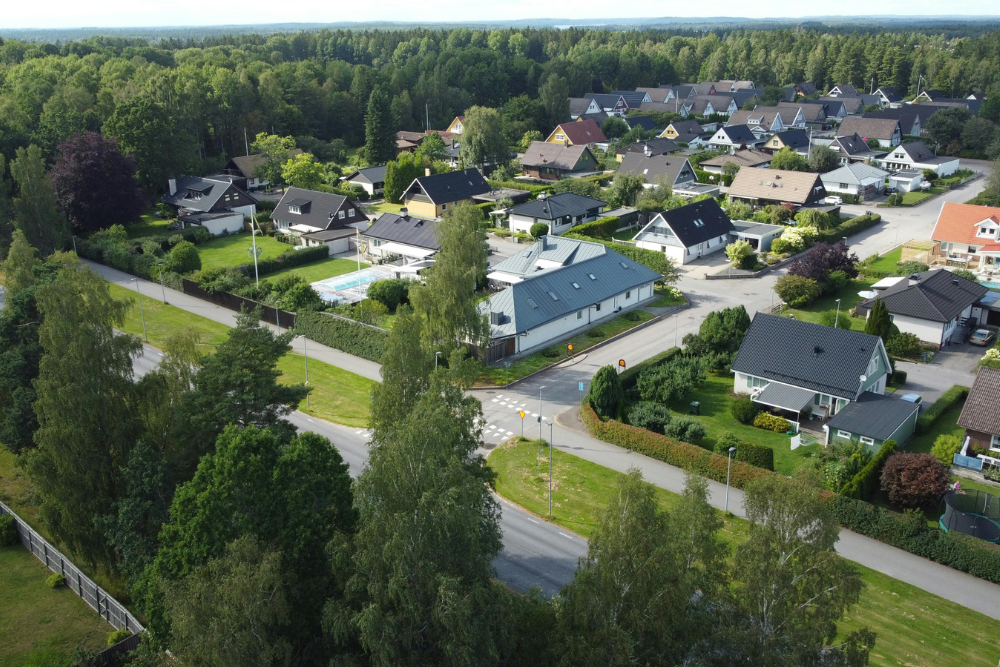
- Suburban Growth: Suburban communities around major Heartland cities such as Kansas City and Omaha are seeing steady growth. Families are prioritizing space, good schools, and community amenities, fueling demand in these areas.
- Rental Market Strength: Investors are eyeing rental properties, particularly in college towns and growing job markets. Rental demand remains strong, offering consistent returns.
The Heartland’s housing market is also influenced by broader economic factors. Job growth in industries such as agriculture, manufacturing, and healthcare continues to support housing demand. Additionally, infrastructure investments in transportation and technology hubs are boosting regional appeal.

Buyer and Seller Behavior in January
January often sets the tone for the year in real estate. In the Heartland, both buyers and sellers are adjusting strategies to align with current conditions.
- Buyers: Many buyers are motivated to act early in the year to lock in favorable mortgage rates. First-time buyers are particularly active, drawn by affordability and government-backed loan programs.
- Sellers: Sellers are cautiously optimistic, recognizing that while demand is strong, pricing competitively is essential. Homes that are well-maintained and staged continue to sell faster, especially in suburban and mid-sized city markets.
- Investors: Investors are diversifying portfolios by acquiring multi-family properties and single-family rentals. With steady rental demand, January presents opportunities for long-term growth.
Technology is also shaping buyer and seller behavior. Virtual tours, online listings, and digital closings are becoming standard, making transactions more efficient and accessible.
Investment Opportunities and Future Outlook
The Heartland real estate market offers unique opportunities for investors and homeowners alike.
- Emerging Markets: Cities like Des Moines, Springfield, and Lincoln are gaining traction as emerging real estate markets. Affordable housing, strong job growth, and cultural amenities make them attractive for both buyers and investors.
- Commercial Real Estate: Beyond residential properties, commercial real estate in the Heartland is seeing renewed interest. Warehousing, logistics hubs, and office spaces are benefiting from regional economic expansion.
- Long-Term Stability: Unlike coastal markets prone to volatility, the Heartland offers stability. Property values grow steadily, providing reliable returns for investors and security for homeowners.
Looking ahead, the Heartland is expected to remain resilient. While national trends such as inflation and interest rates will influence the market, the region’s affordability and quality of life will continue to attract buyers. For sellers, presenting homes that highlight space, community, and affordability will be key to success.